Last updated November 21, 2026
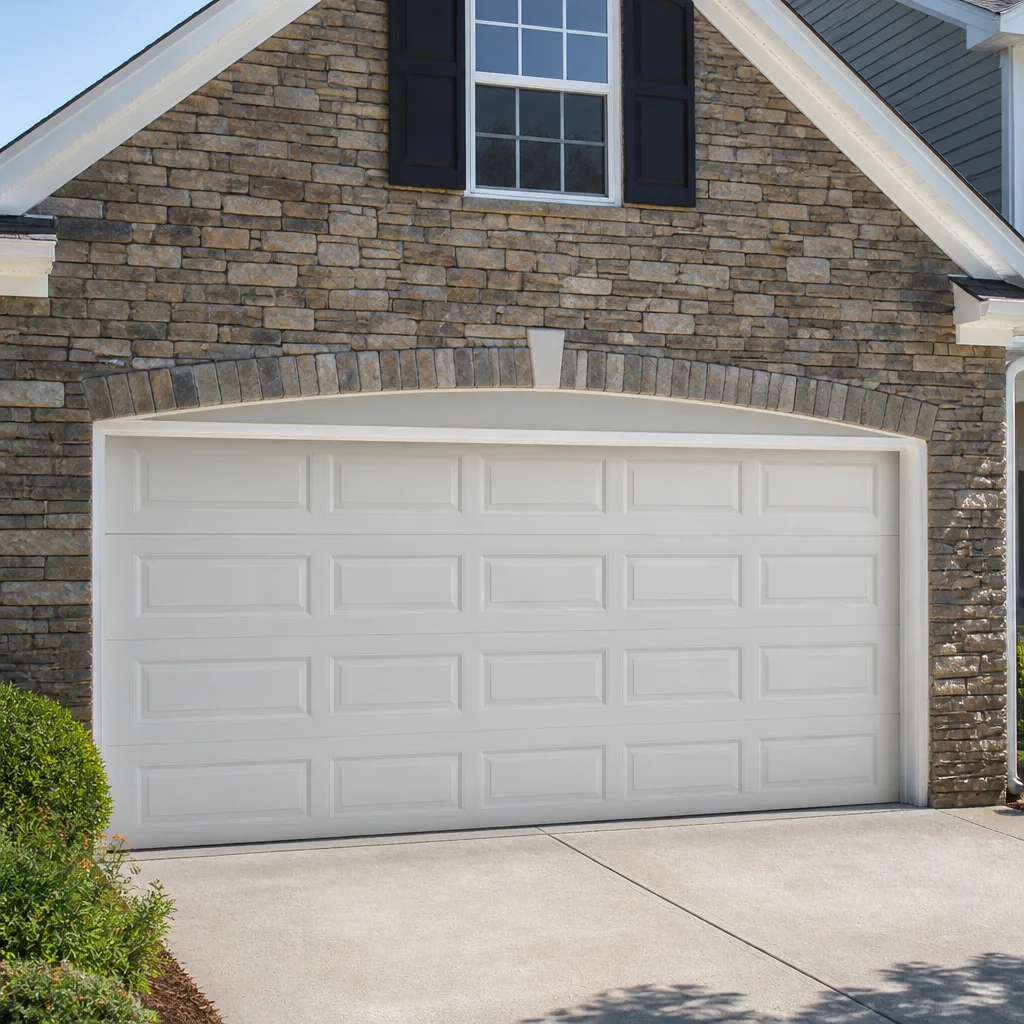 Raised-panel steel
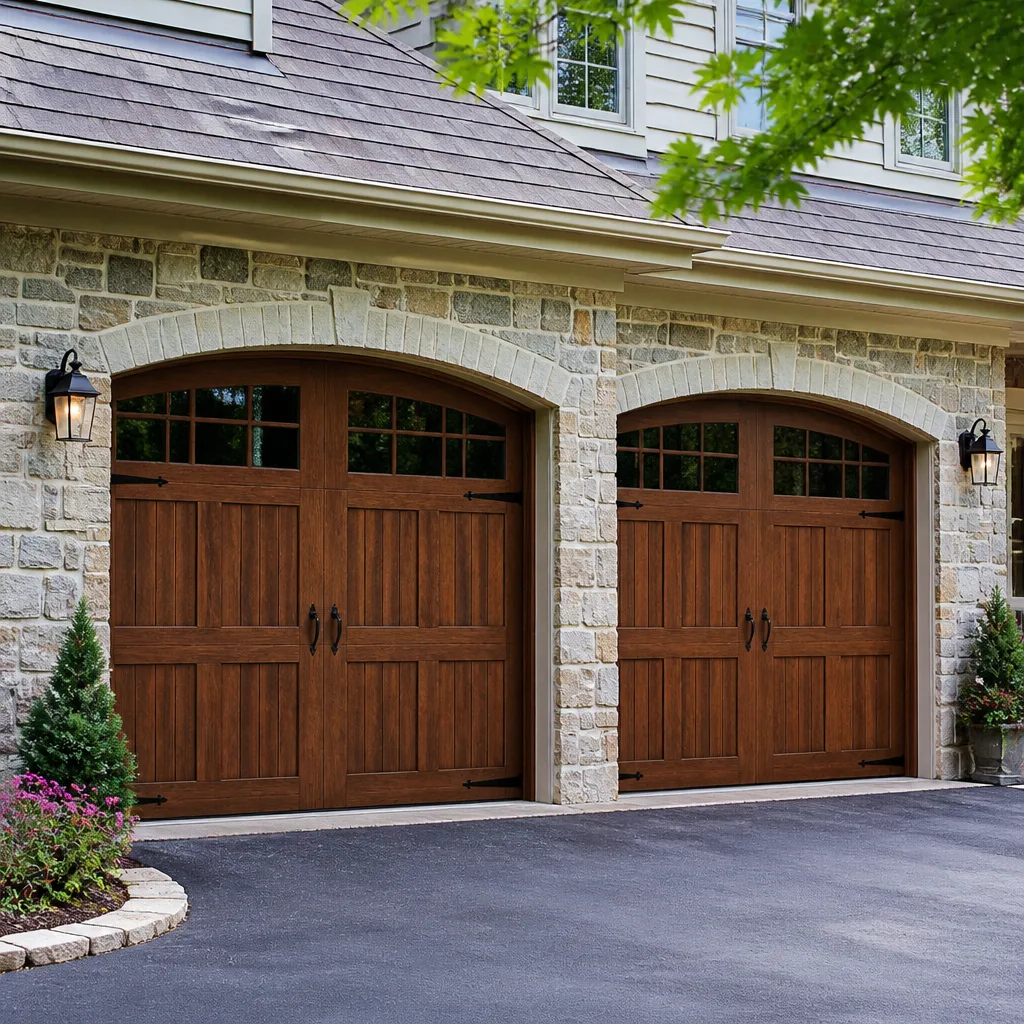 Carriage house
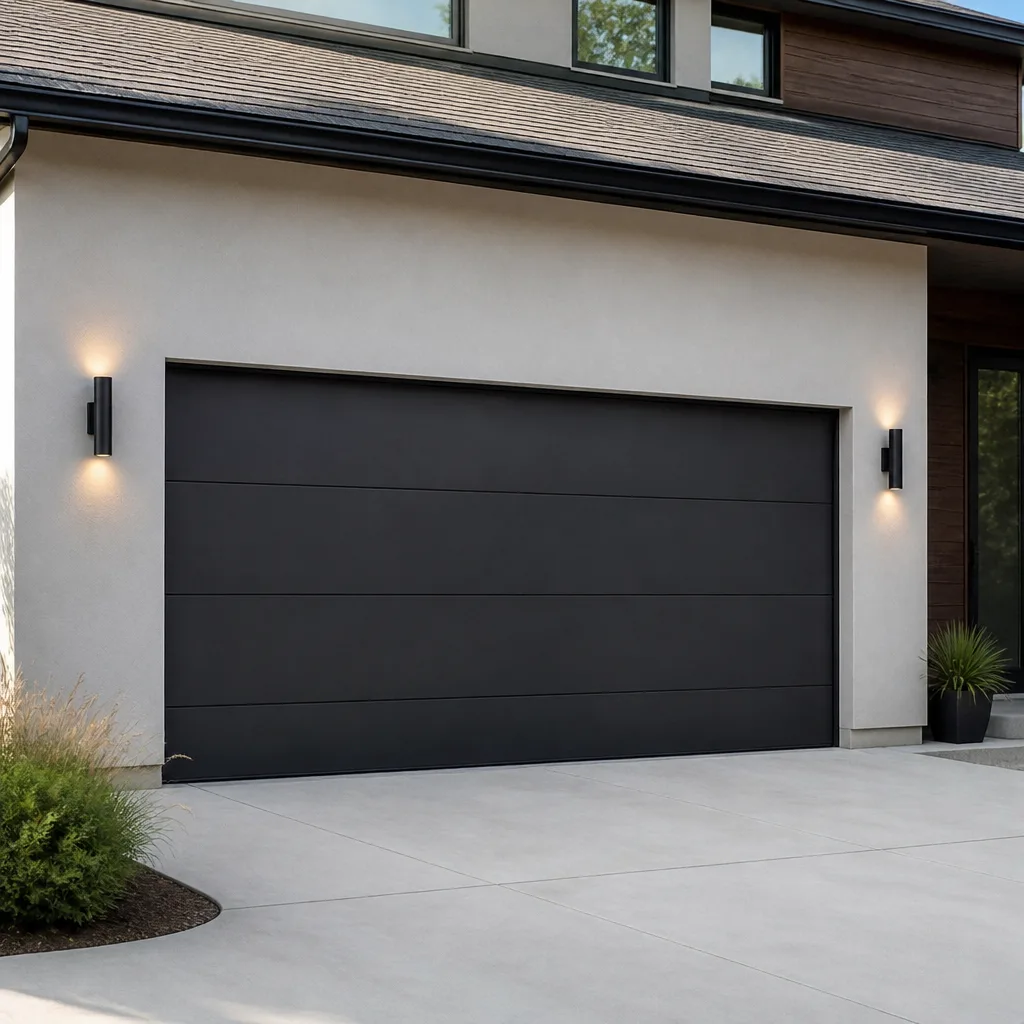 Modern flush
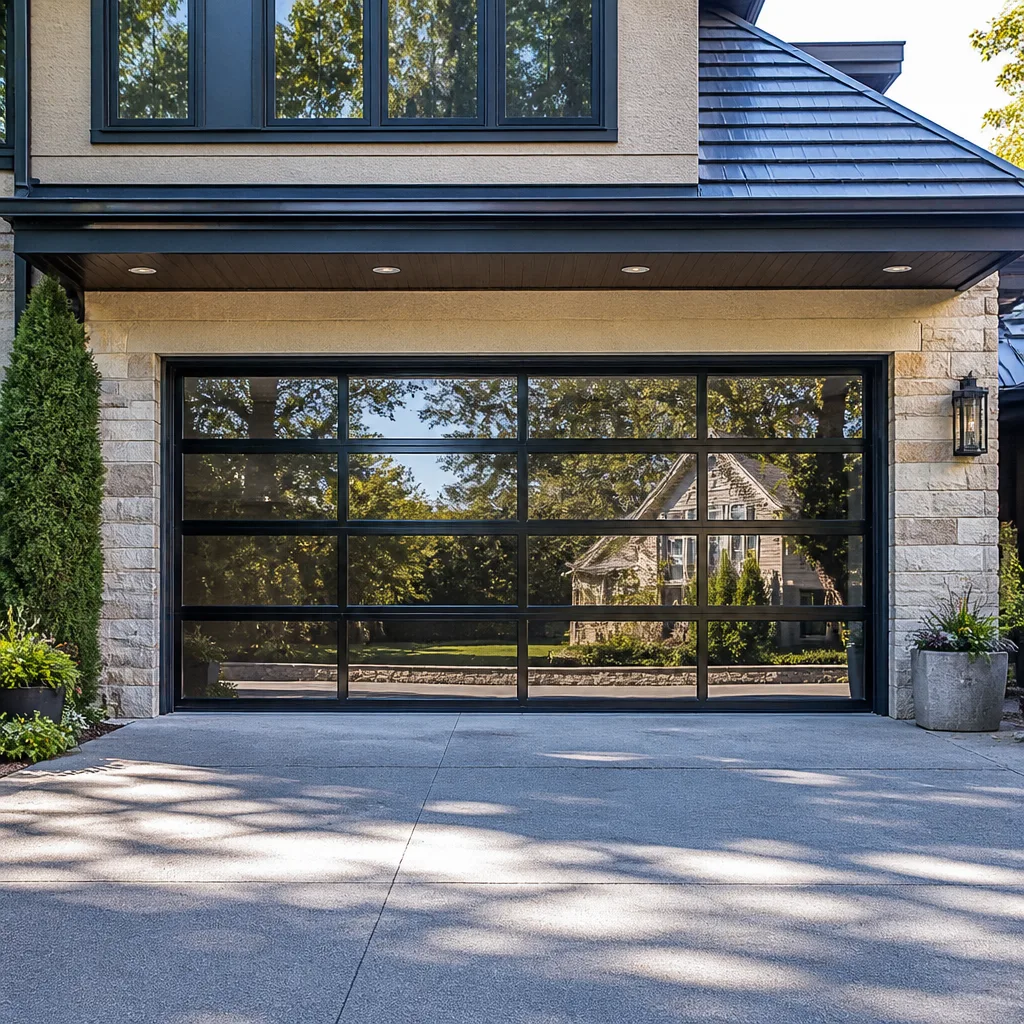 Full-view glass
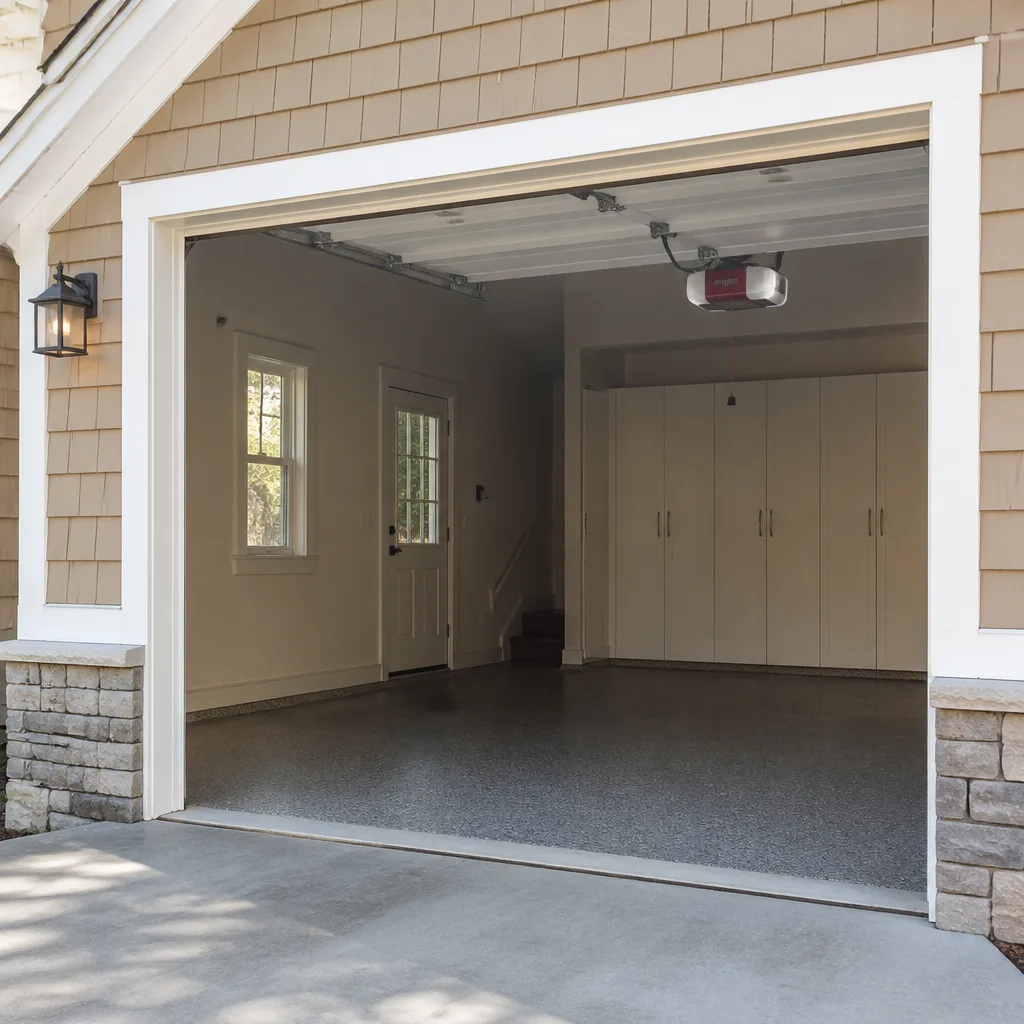 LiftMaster openers
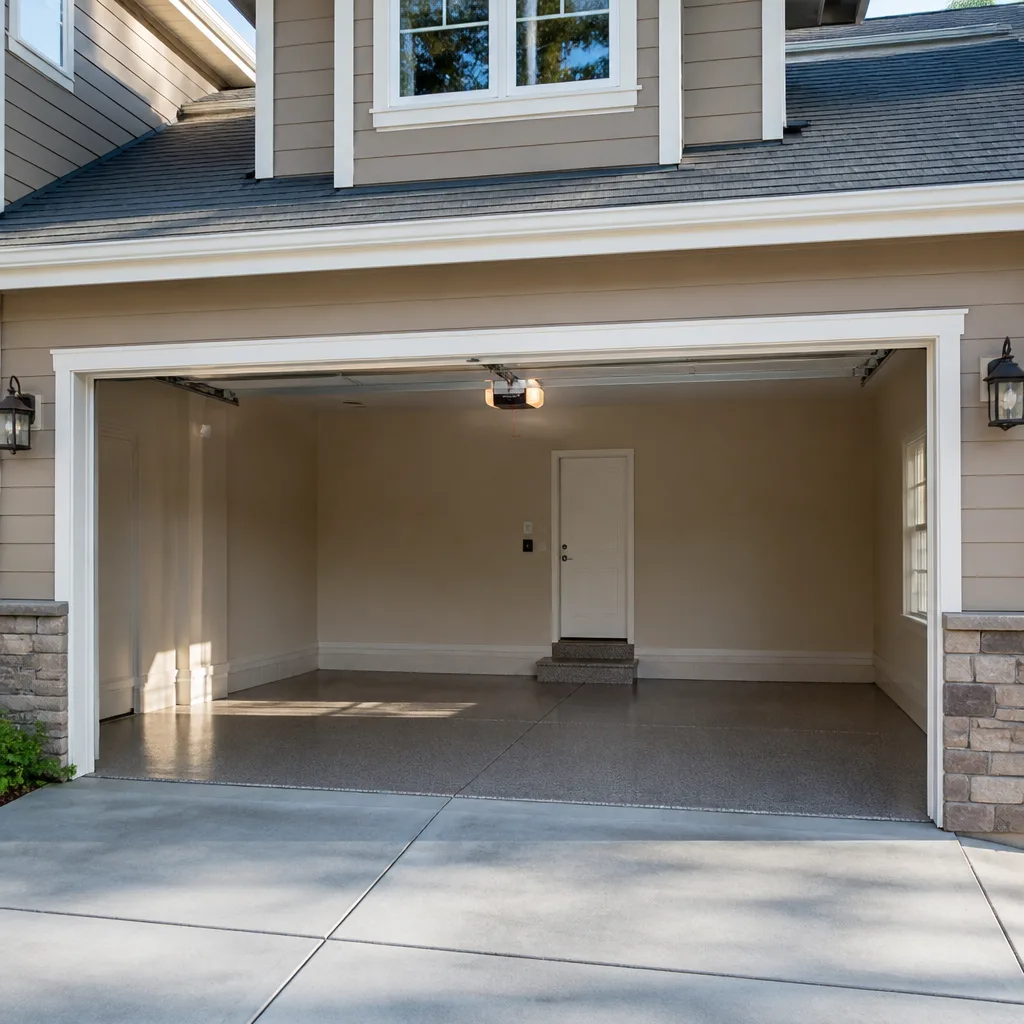 Chamberlain openers
Full 25-point door and opener safety check with every visit - springs, cables, rollers, tracks, and your LiftMaster or Chamberlain opener included
You get a price before we start. It does not change when the pro arrives.
Get your free estimateGarage Door Emergency Preparedness Guide for Providence Homes
After a hard ice storm rolls through Providence, the calls that matter most often aren’t about broken springs. They’re from homeowners who can’t get out of their own driveway because they’ve never once pulled the red cord hanging from their opener rail. The manual release is your exit strategy during a power outage, a seized opener, or a jammed door, and the vast majority of people who own a garage door have never tested it. That’s the gap this guide closes. We’ll walk through the manual release on the opener models most common in Providence homes, how to secure a door that won’t close after a cable or spring failure, what to do the morning after a break-in attempt, and the few things worth having ready before you call anyone.
Quick Answer
If your garage door fails in Providence, the first move is the manual release: pull the red cord straight down toward the door, then lift the door by hand. If the cord won’t disengage, don’t force it. Secure the opening, keep people clear of the springs, and call for same-day emergency service. Most mechanical failures, including snapped springs and dead openers, are repairable the same day, and the price is agreed before any work starts.
Styles & brands we work with
- Raised-panel steel
- Carriage house
- Modern flush
- Full-view glass
- LiftMaster openers
- Chamberlain openers
Table of Contents
- How to Use the Manual Release on Your Opener
- How to Secure a Door That Won’t Close
- What to Do After a Break-In Attempt
- Power Outage Protocol for Providence Homes
- Nor’easter and Ice Storm Prep
- The Three Things to Have Ready Before You Call
- Spring and Cable Safety: What Not to Touch
- What Emergency Garage Door Service Costs in Providence
How to Use the Manual Release on Your Opener
The manual release works by pulling the trolley free from the opener’s carriage so the door can move by hand on its tracks. On the Chamberlain, LiftMaster, Genie, and Craftsman openers we see in most Providence homes, that release is a red cord or handle hanging from the trolley near the top of the door. When the power’s out, that cord is the only thing standing between you and a locked-in car.
Here’s how it goes on a typical opener:
- Make sure no one is standing in the door’s path, then close the door if it’s partly open so it settles under its own weight.
- Pull the red cord straight down toward the floor in one firm motion. You’ll feel the trolley click free.
- Lift the door slowly by hand. If it’s balanced and the springs are intact, it should rise with modest effort and stay put when you let go.
- Disconnect only when you need to move the door. Reengage the trolley by lifting the door until it clicks back into the carriage, restoring normal operation.
What to do when it doesn’t disengage cleanly
Sometimes the release handle is stuck, the trolley is jammed under tension, or the door comes off the opener but won’t lift at all. That tells you something mechanical is wrong, not just the electronics. If the door feels very heavy or the cord won’t move, stop pulling. A door that won’t lift by hand usually has a broken spring or a snapped cable, and forcing it can drop the door or snap the remaining hardware. Leave it, keep the area clear, and call for help.
We service LiftMaster, Chamberlain, Genie, Craftsman, Clopay, Amarr, Wayne Dalton, and Raynor systems, so when a technician arrives they already know the opener on your wall. If you’d rather have a pro handle the diagnostics and repair, our garage door opener repair team can tackle it.
How to Secure a Door That Won’t Close
When a cable or spring fails, the door may sag, twist, or refuse to close all the way, leaving your home open to the street. The goal before a technician arrives is to secure the opening without touching the springs, cables, or the door’s underside while it’s under tension. If the door is visibly off its tracks or hanging crooked, don’t try to move it yourself.
What to do:
- Keep all people, pets, and vehicles out from under the door. A door held up by one spring can come down without warning.
- Block the opening from the inside with a vehicle, a heavy piece of furniture, or a temporary brace if you can do it without reaching under a sagging door.
- If the door is off the track, don’t force it back on. Leave it and secure the opening as best you can.
- Call for same-day service. A front-opening garage is a security gap in any Providence neighborhood, and a door that won’t close is one of the cases where a real response matters.
A door stuck open overnight is the most common reason people call us in a hurry. A technician can often realign, replace a cable, or reset the opener on the same visit. If the door is beyond a safe field repair, we’ll talk you through garage door repair versus replacement before anything is ordered.
What to Do After a Break-In Attempt
If your door was forced open, bent, or had its latch or opener housing damaged during an attempted break-in, the first step is safety, then security, then the door itself. Bent panels and a jammed opener can leave the door stuck partway, and a door that won’t close is an open invitation for a second attempt.
- Keep everyone out of the garage and don’t run the opener. A door damaged by force may have a stressed spring or off-track rollers that could let go.
- Document the damage with photos before you move anything.
- Report it to the Providence Police non-emergency line. Do this even if nothing appears stolen, since a report is what your insurer and the door repair come back to.
- If the door can’t be closed manually, secure the opening with a board or a vehicle and arrange repair.
- Have the opener, rollers, tracks, and panels checked before you use the door again. Forced entry often bends a track or strikes the opener carriage even when the door looks straight.
This is also the moment to upgrade security at the same visit: check that the photo-eye is positioned properly, confirm your opener’s wall control has a lock feature, and look at a stronger latch if the old one gave way. We’ve seen a bent track slip through a homeowner’s checkup and drop the door a week later, so have it inspected before trusting it again.
Power Outage Protocol for Providence Homes
Power outages happen in Providence, and whether you can still get your car out depends on which opener you own. Battery backup openers keep operating for some period after the power drops, while older solid-state openers don’t run at all without power. Knowing which you have before the lights go out changes everything.
- Battery backup openers (common on newer LiftMaster and Chamberlain models): keep a charged battery in the opener and test it a few times a year. When the power drops, the door still opens and closes on demand, and the manual release is your backup if the battery is flat.
- Wall-mounted or solid-state openers without backup (very common on older Genie and Craftsman units): you’ll be using the manual release during any outage. Know how to pull it before you need to.
- Smart/Wi-Fi-enabled openers: a power outage means the app is useless until the router and opener come back. Don’t rely on your phone to get out.
Which homes need which comes down to age and model. If you’re not sure whether your opener has a battery backup, check the unit’s manual or look for a battery compartment on the opener head. If the model is old enough that it has no battery and no remote feature, a proactive upgrade may be the cheaper long-term call. To learn how a replacement would work in your home, see garage door installation. We’re happy to look at your existing opener and tell you honestly whether it’s worth keeping.
Nor’easter and Ice Storm Prep
Providence gets the weather this guide is built around: nor’easters, ice storms, and freeze-thaw cycles that work on every moving part of your garage. A door that worked fine in October can seize, freeze to the ground, or lift crooked after a hard freeze. The point of preparation is to make sure the door keeps working through the storm and opens afterward.
- Clear the snow and ice away from the base of the door and the outside threshold before it refreezes. A bottom weather seal frozen to the slab is one of the most common winter failures.
- Test the manual release in the fall, before you need it. We’ve handled far too many calls where the release handle was rusted or jammed when it mattered.
- Lubricate moving parts (rollers, hinges, tracks, the opener rail) with a proper garage door lubricant, not WD-40, which attracts grit.
- Check the bottom seal for cracks, and confirm the door isn’t binding as it closes. Any binding gets worse in cold weather.
- Make sure the opener’s safety reverse still works. Winter is when a partly blocked door is most likely to be unnoticed.
An older Clopay or Amarr door with tired springs will be at its most vulnerable during a Providence freeze. If your springs are making noise, or the door is noticeably harder to lift by hand, have it evaluated before the next storm hits. It’s a repair, not a replacement decision, and it’s cheaper than an emergency call in the middle of a night when the power is out.
The Three Things to Have Ready Before You Call
The call goes faster, and a technician arrives better prepared, when you have three pieces of information ready. These are what we ask for first because they decide whether a fix is a same-day job and what tools it needs.
- The opener and door brand, and the model if you have it. The brand name on the opener head and door panel is enough for most calls. We service eight major brands, so knowing whether it’s a Chamberlain, LiftMaster, Genie, Craftsman, Clopay, Amarr, Wayne Dalton, or Raynor tells us a lot about what we’ll find.
- What the door is doing. Is it completely stuck, sagging on one side, stuck open, stuck closed, off the track, making a loud bang and not opening? The symptom points straight to the likely failure.
- Whether the door is currently open or closed, and if anyone is at risk. A door stuck open overnight or trapping a car is treated as urgent. A door stuck closed but safely shut can often be scheduled the same day and worked with less pressure.
If you’re not sure of the brand, look at the opener housing or the panel stamp; if the door is jammed and you can’t get a clear look, just say so. A technician can identify it on the site. What matters is that we know if it’s a mechanism failure, an opener failure, or a physical jam.
Spring and Cable Safety: What Not to Touch
Garage door springs and cables are stored energy, and a torsion spring under tension can cause serious injury if handled without the right tools and technique. That’s why spring repair is one of the calls we take in-house as a specialty and don’t recommend for anyone without dedicated training. This is the section to read carefully before you go near the door.
- Never cut, heat, or loosen a spring or cable yourself. The tension in a torsion spring or an extension spring can release suddenly and without warning.
- Don’t stand under a door that’s sagging or off its track. A door held up on one side can drop through the ceiling of its tracks.
- Don’t run the opener after a spring or cable breaks. The opener is now carrying the door’s weight, and that’s how opener gears strip and doors twist.
- Don’t use the emergency release if the door is off-track or visibly hanging. Without intact springs, the door may fall when released.
A technician should always handle anything involving the spring system, cables, or a door under tension. In our experience, the most reliable way to keep your family safe during a breakdown is to recognize what has failed, keep the area clear, and call a professional rather than try to force the door. Our Providence Garage Door Repair Pros team is built around that idea: repair first, done safely.
What Emergency Garage Door Service Costs in Providence
Emergency garage door service in Providence typically runs in a range rather than a flat fee, and the price depends on the failure, the parts, and the time. The number you’re quoted before any work is the number you pay, and we don’t start until you’ve agreed to it. Here’s a rough sense of the different jobs you might face:
- Emergency call-out and diagnosis: varies with the situation; ask for the written estimate first.
- Opener repair or replacement of a control board, gear, or limit switch: priced by the parts and the model. Newer chamberlain and LiftMaster units are usually straightforward; legacy units can need different parts.
- Cable replacement: a set price per cable, since cables are matched to the door.
- Spring replacement: priced per spring. A matched pair is usually replaced together, so the pair costs about twice a single spring. Never agree to a “single price for both” that sounds like a pair price for one.
- Track realignment or roller replacement: priced by how many components need work.
We don’t quote a flat emergency premium, and we don’t use a call to add work you didn’t ask for. If the door can be fixed, we fix it. Whatever the price, you’ll get it in writing before a single part comes off. For a fuller picture of what repair runs across the city, our garage door repair page breaks it down by job type.
Common Mistakes to Avoid
- Assuming the opener is broken when the spring has failed. A door that runs but won’t lift is usually a spring, not an opener; diagnosing this wrong sends you toward the wrong repair and, sometimes, a needless replacement.
- Never testing the manual release until you need it. The red cord is the thing that gets you out during an outage, and a cord that’s rusted solid does nothing for you.
- Cutting or loosening a spring yourself. Spring tension is the most dangerous part of the whole system. This is not a DIY job, no matter what a video says.
- Running the opener after a spring breaks. The opener will strain to lift a door it was never meant to lift, and it often fails next.
- Replacing the whole door when a component failed. Track, roller, spring, and cable failures are repairs. A repair-first approach saves the door and the money.
- Waiting out a door stuck open overnight. A front-opening garage in Providence is a security gap; fix the door or secure the opening before you sleep on it.
- Ignoring the safety reverse. A door that stops reversing when it meets an object is a safety failure, and it’s the first thing to have checked after any storm.
See the difference
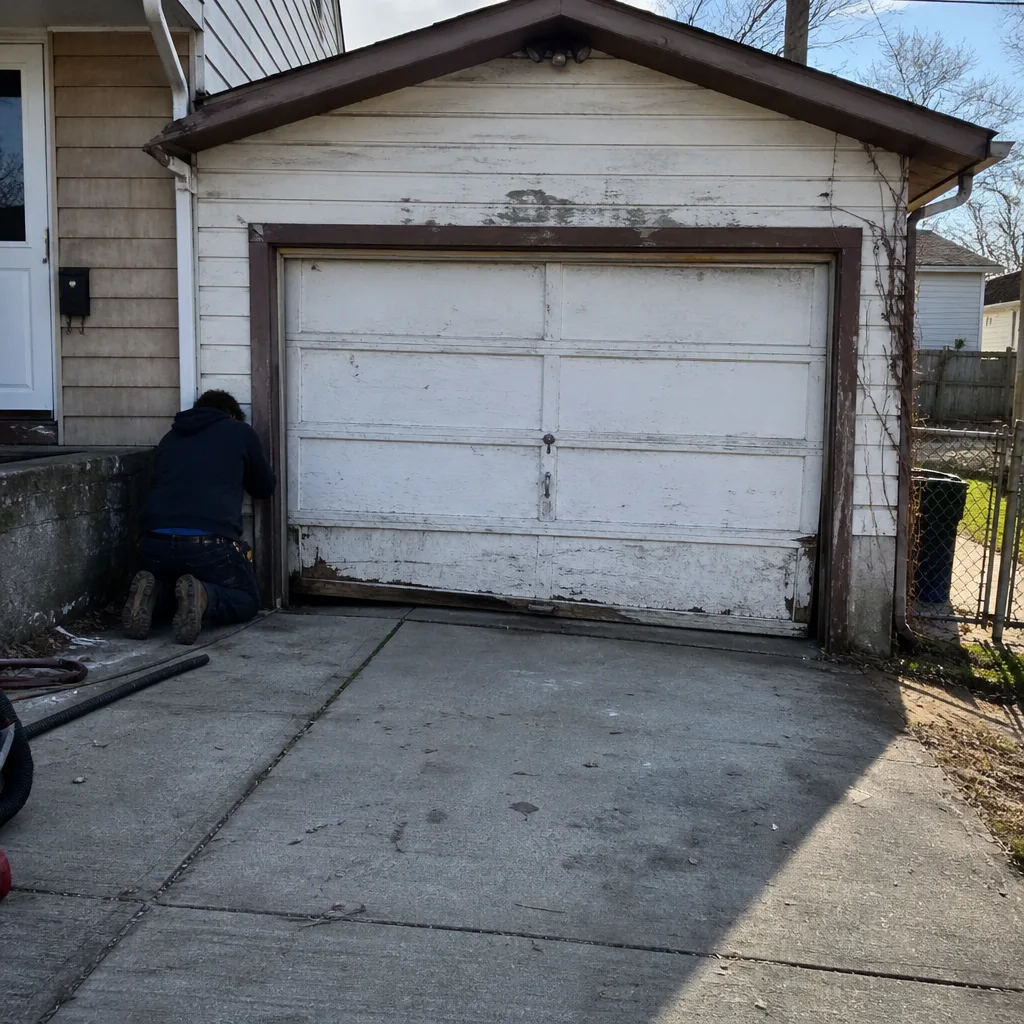 Before
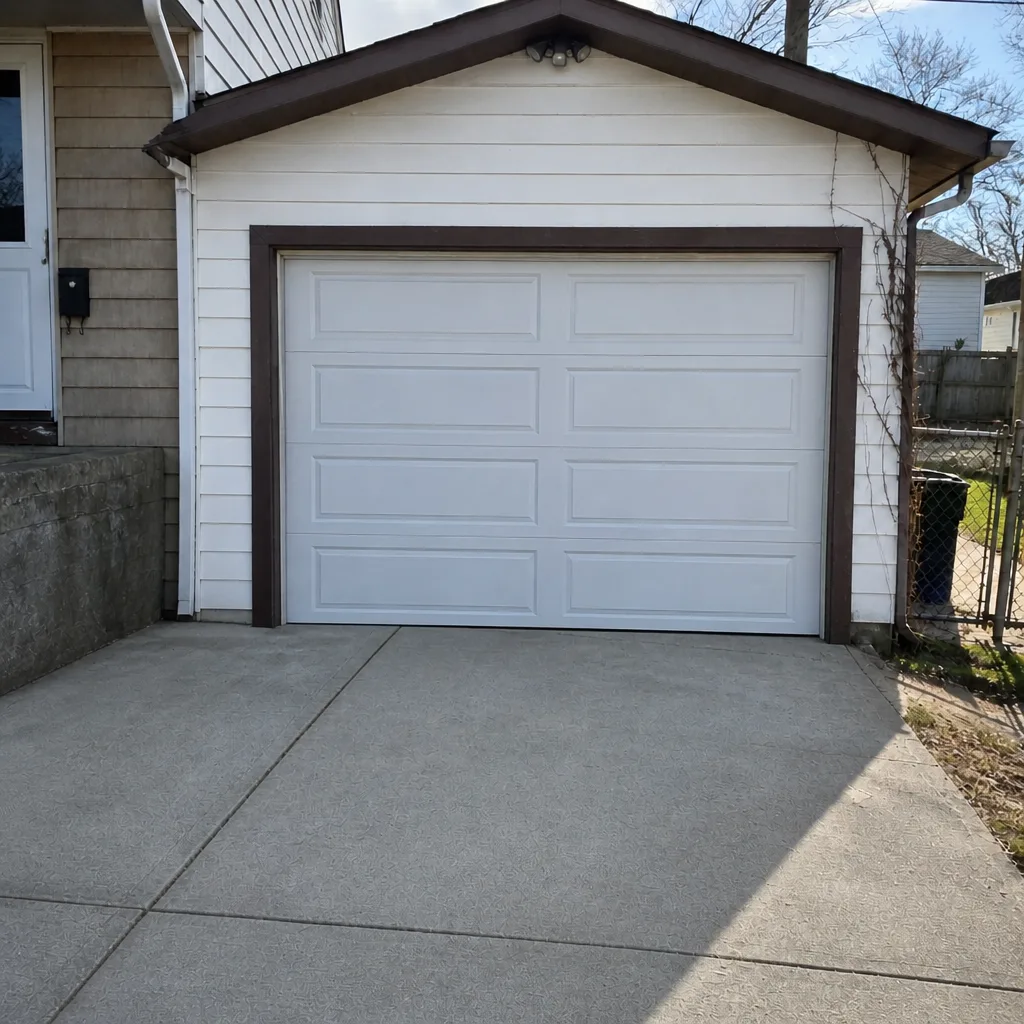 After
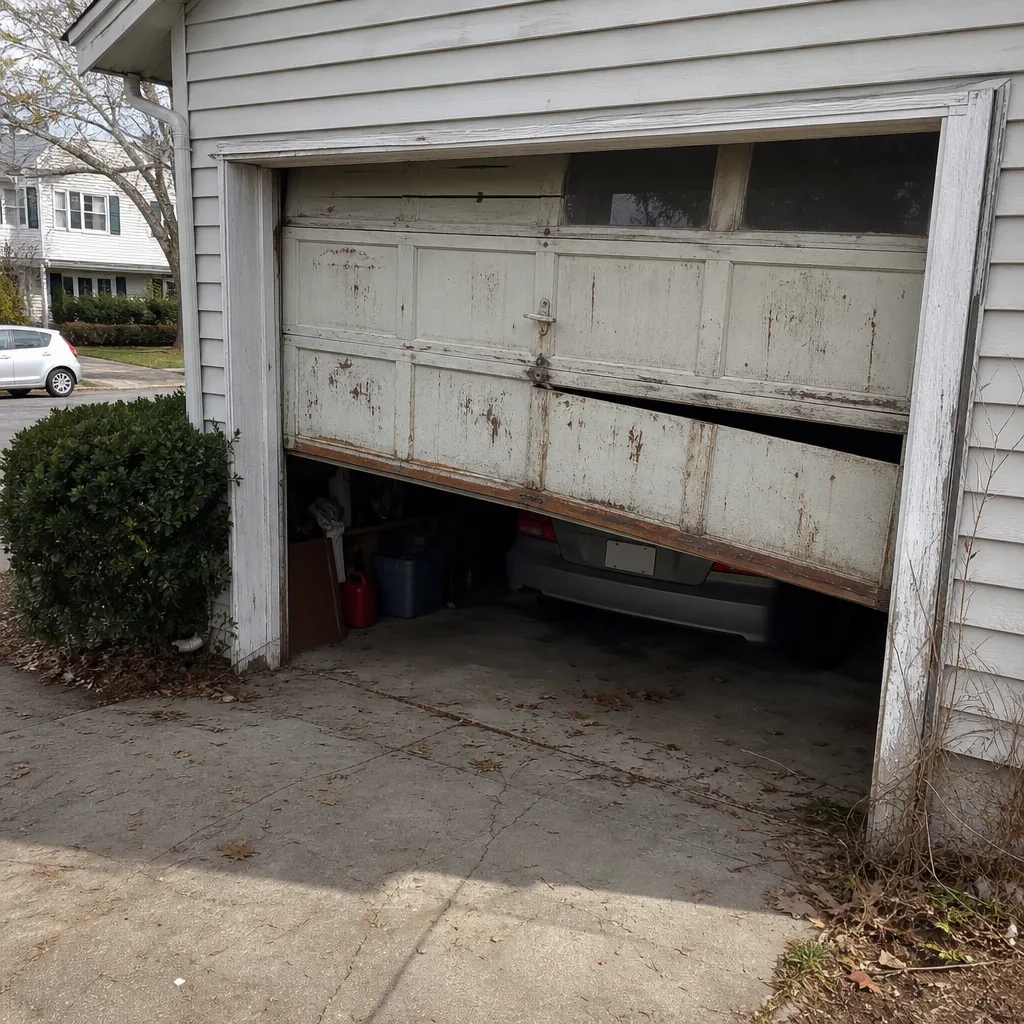 Before
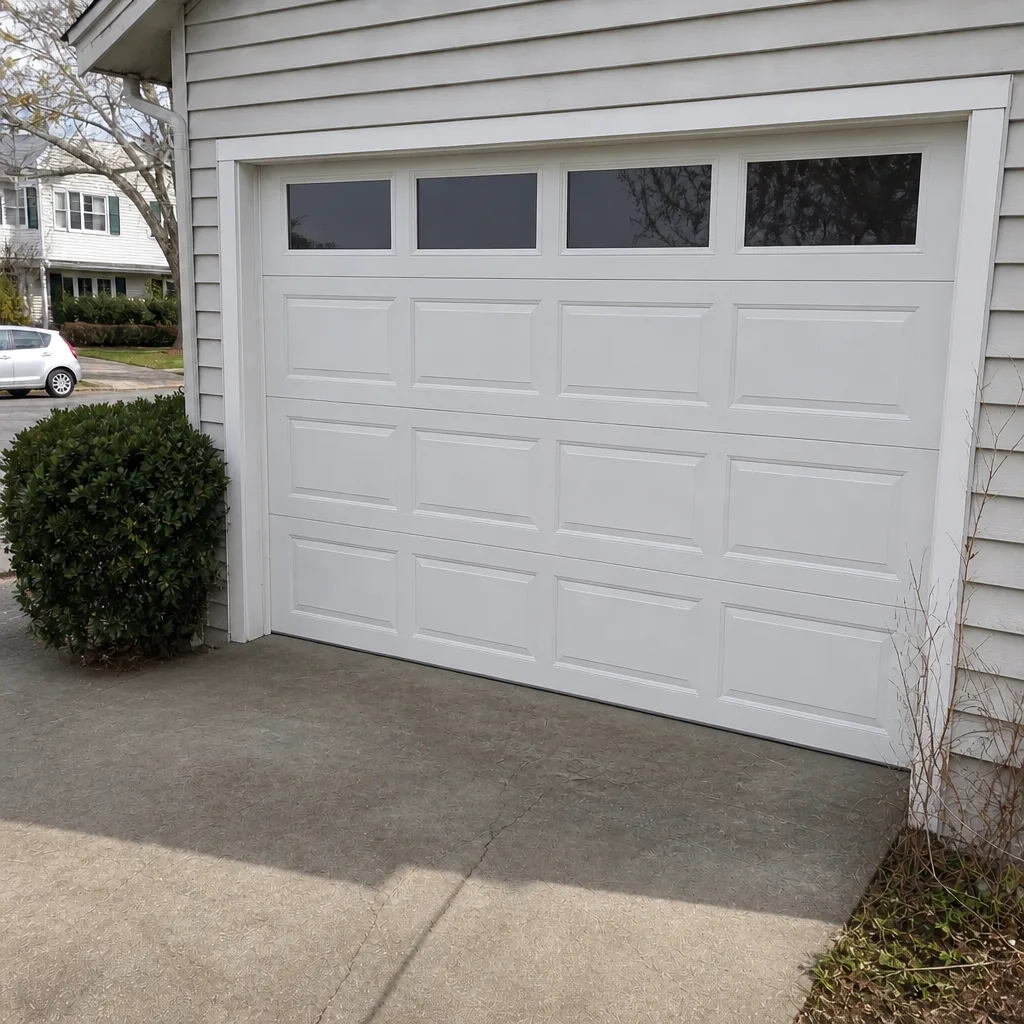 After
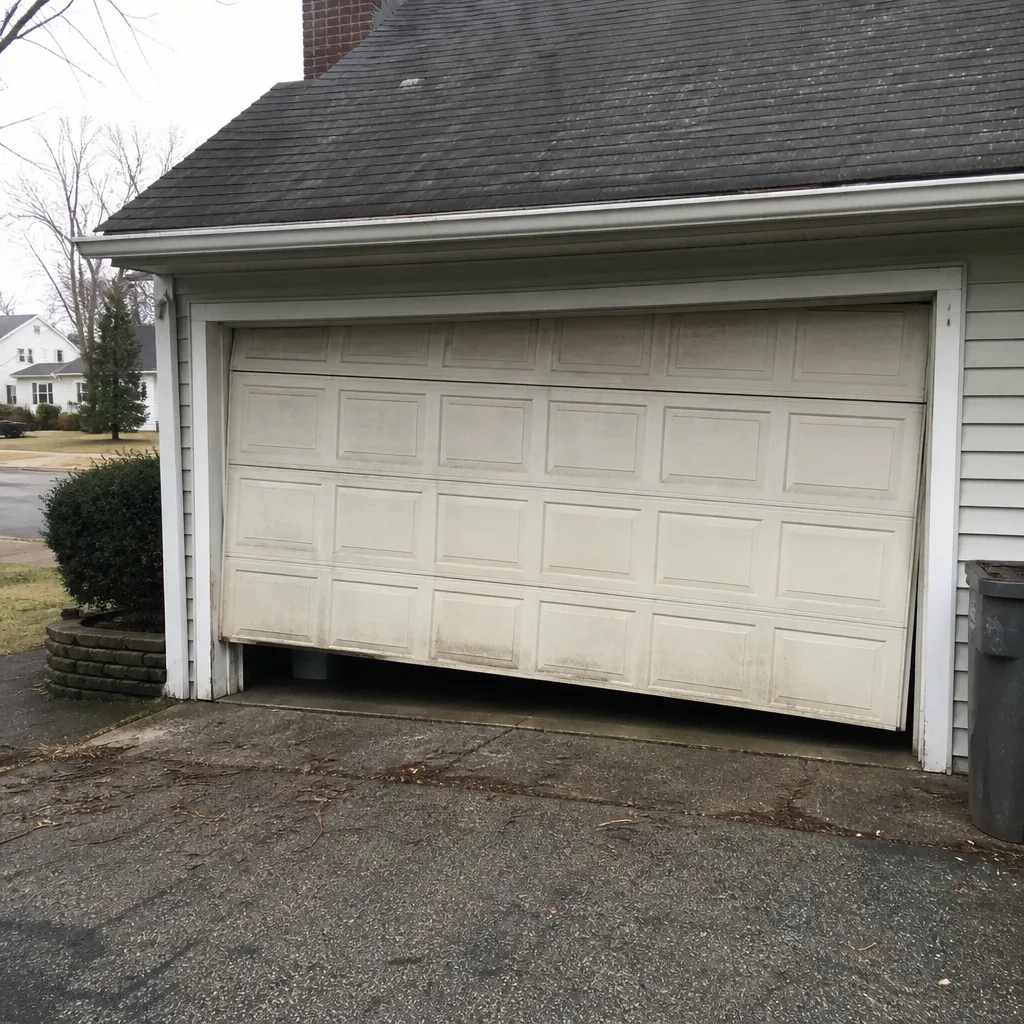 Before
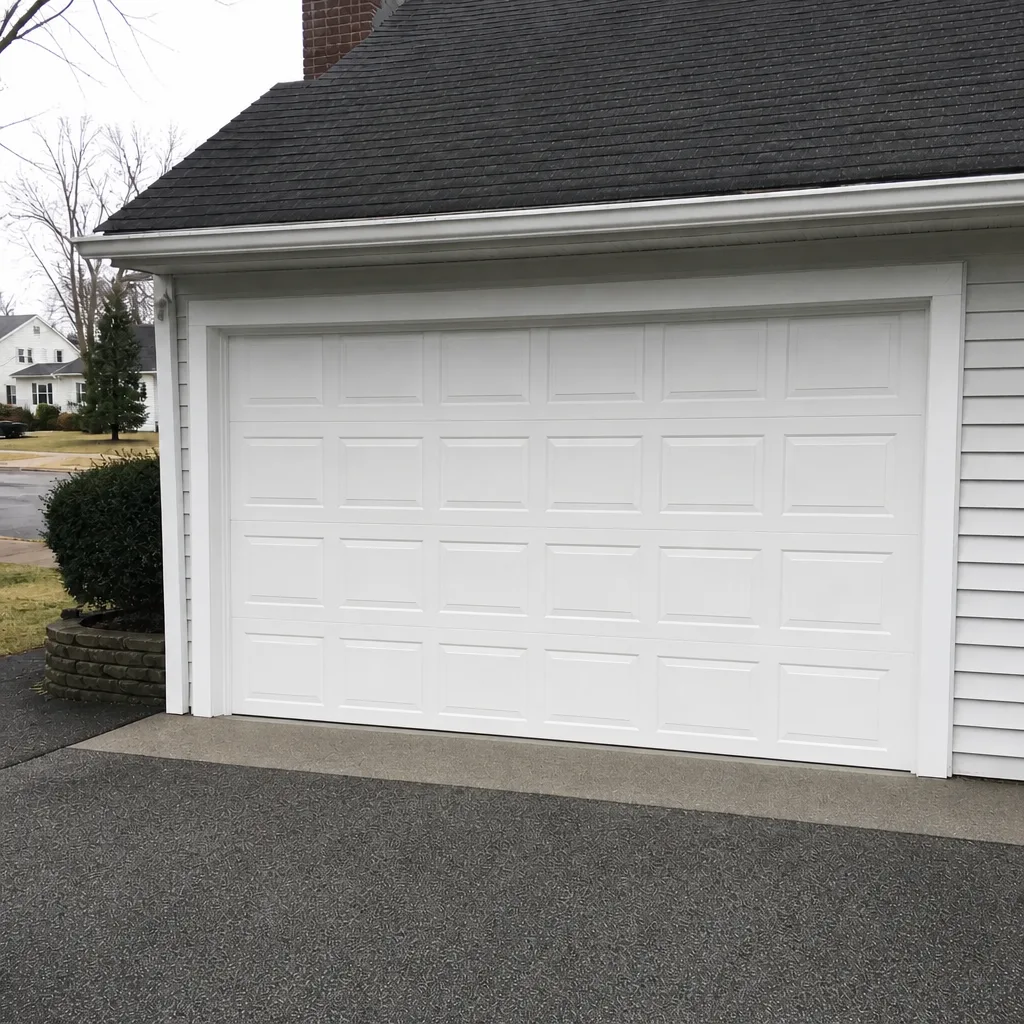 After
When to Call a Professional
Call for help when the door won’t lift by hand, when a spring or cable has visibly snapped, when the door is off its tracks or sagging, when it won’t close and the opening is exposed, or when the opener runs but the door doesn’t move. Also call after a forced-entry attempt that bent the track or damaged the latch, and any time the safety reverse stops working. Those situations involve stored energy or a security gap, and they’re not worth a do-it-yourself gamble. You won’t be talked into parts you don’t need: if it’s a repair, we fix it.
Providence Garage Door Repair Pros offers free estimates in Providence, and same-day emergency response for time-sensitive failures. Call (833) 981-3384 to book, and have your brand and symptom ready. The written price comes before any work, and the technician confirms it with you before the first bolt is turned.
Frequently Asked Questions
Pull the red manual release cord straight down toward the door, then lift the door by hand. It works on most LiftMaster, Chamberlain, Genie, and Craftsman openers. If the door feels too heavy to lift or the cord won’t pull, stop, keep everyone clear, and call for help.
Secure the opening before anything else: park a vehicle or set a brace across the gap, keep people away from a sagging door, and don’t run the opener. Then call for same-day service. A front-opening garage is a security gap, so this is one of the cases we treat as urgent. Call (833) 981-3384 for an exact quote; estimates are free.
Usually, yes. Spring repair is a same-day job in most cases, and it’s done by trained technicians with the proper tools. Never try to replace or loosen a spring yourself; the stored tension can cause serious injury. A matched pair is usually replaced together, so expect the pair price to be about twice a single spring. Call for a written estimate before work starts.
No. The quote you agree to before work starts is the price, and we confirm it with you on the site before any part is removed. If the diagnosis turns out different from what we expected, we’ll tell you and re-quote before proceeding. You won’t get an invoice for work that wasn’t agreed upfront.
Yes. The local professionals we connect you with are licensed and insured as their state requires, and they carry the training and tools to handle spring, opener, and track repairs safely. That matters most with spring work, which many general contractors won’t touch.
Not required, but it’s the single most useful upgrade for a home hit by winter outages. If your current opener has no battery and you rely on it to get out during storms, have it evaluated. A replacement or a battery-ready upgrade can pay off the first time the power drops. We service LiftMaster, Chamberlain, Genie, Craftsman, Clopay, Amarr, Wayne Dalton, and Raynor, so whatever brand you have, we know it.
Don’t run the opener, keep clear of the door, photograph the damage, and report it to the Providence Police non-emergency line. Even if the door looks straight, the tracks, rollers, springs, and opener carriage can be stressed after forced entry. Have a technician inspect it before you use the door again. Call (833) 981-3384 to arrange the inspection.
The Bottom Line
The emergency that catches most Providence homeowners isn’t the broken spring; it’s being surprised. Test the manual release now, know whether your opener has battery backup, keep the base of the door clear before ice and snow, and have your brand and symptom ready when you call. Those small preparations turn a helpless scramble into a controlled five-minute job. When a failure goes beyond what you can safely handle (springs, cables, off-track doors), call a professional rather than force it. From opener diagnostics to full garage door installation, we can handle it, and the price is agreed before any work starts.
Contact
If your door is stuck, sagging, or won’t close and you need a real response, call Providence Garage Door Repair Pros at (833) 981-3384 for a free estimate. We service eight major brands across the Providence area, we perform spring repair in-house, and we don’t start any work until the written price is agreed. Whether it’s a snapped cable, a dead opener, or a door damaged in a break-in attempt, we’ll tell you what’s wrong and what the fix costs.
Written by the team at Providence Garage Door Repair Pros.