Last updated November 21, 2026
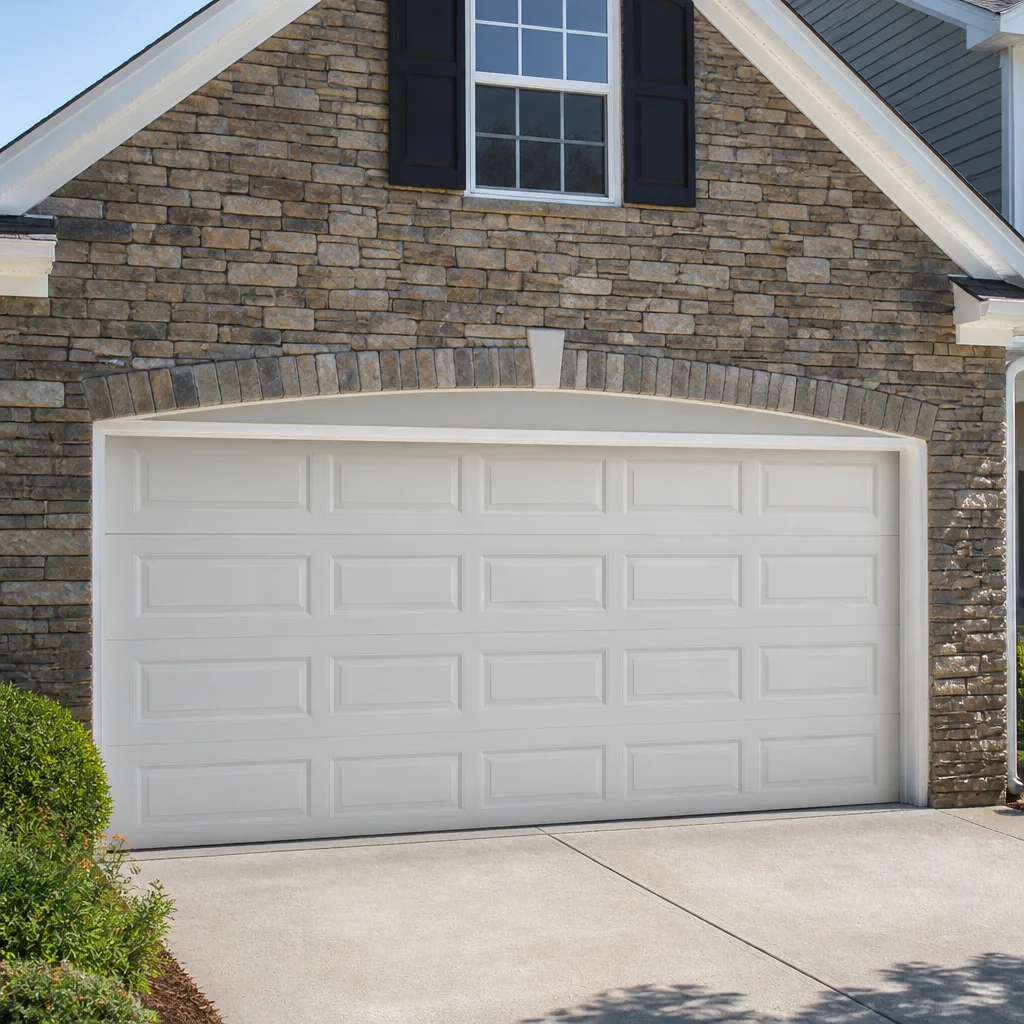 Raised-panel steel
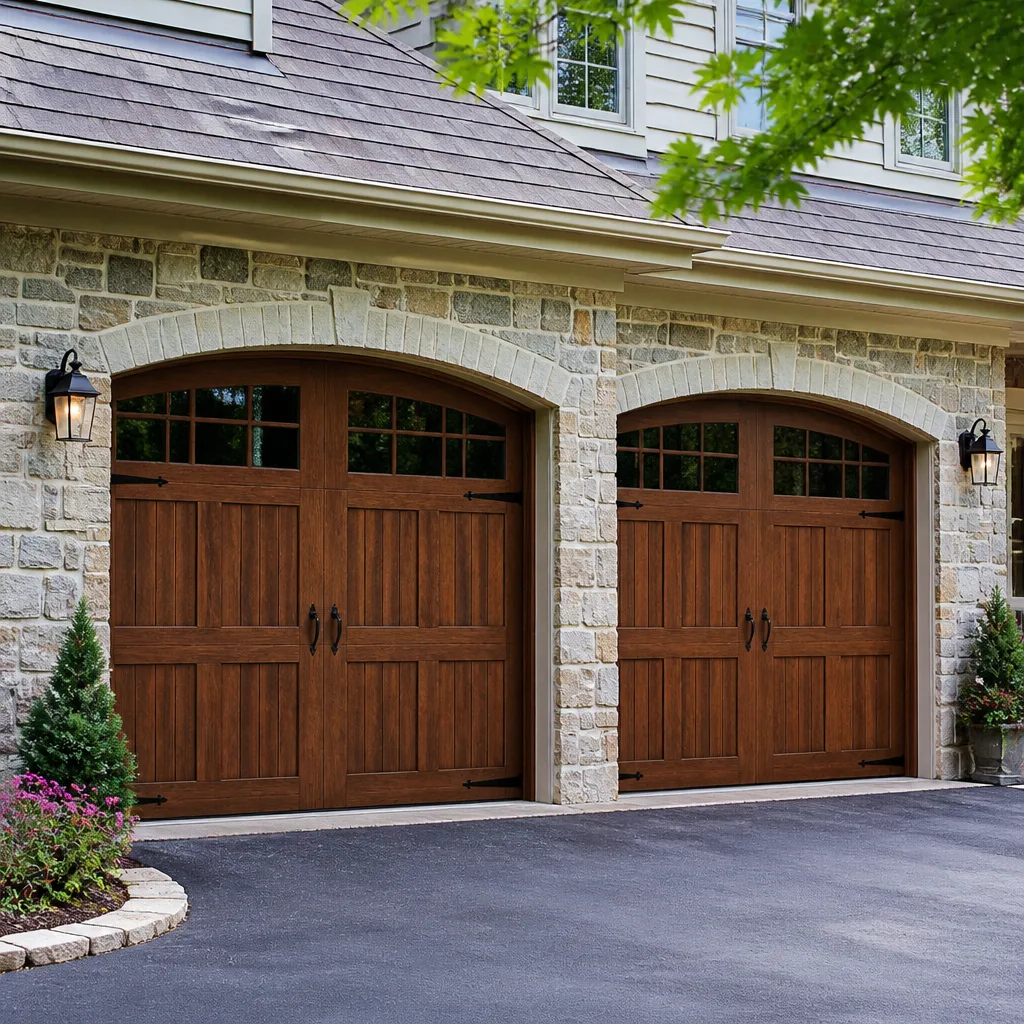 Carriage house
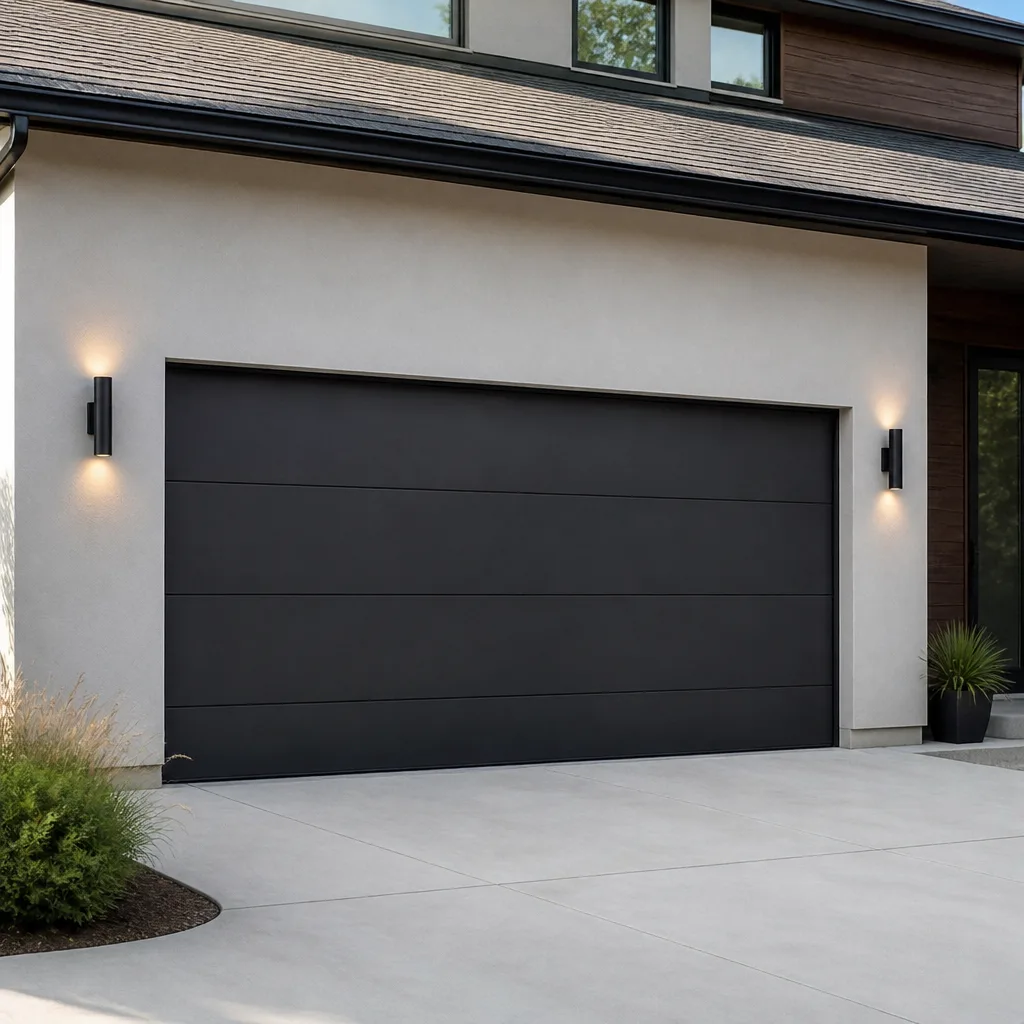 Modern flush
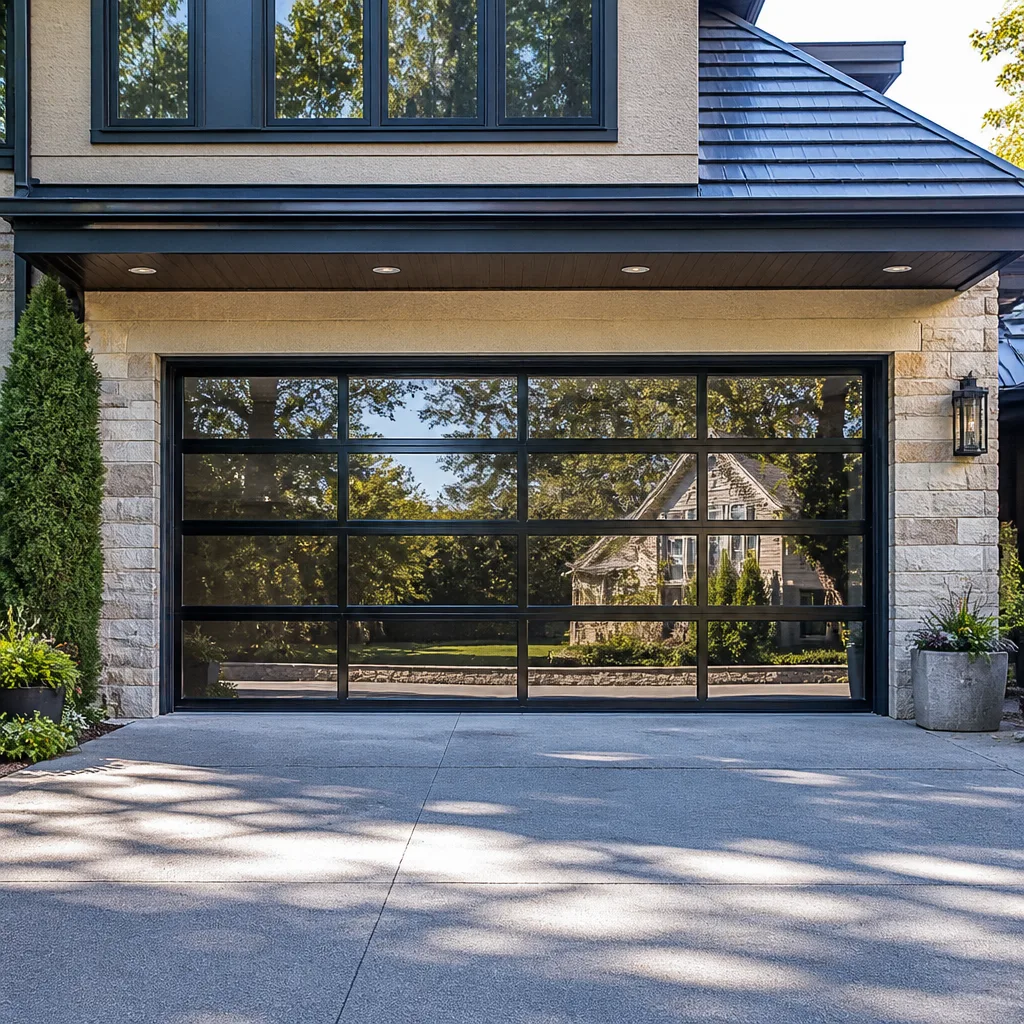 Full-view glass
 LiftMaster openers
 Chamberlain openers
Full 25-point door and opener safety check with every visit - springs, cables, rollers, tracks, and your LiftMaster or Chamberlain opener included
You get a price before we start. It does not change when the pro arrives.
Get your free estimateGarage Door Warning Signs: A Providence Homeowner’s Reference Guide
A garage door that takes two seconds longer to open than it did last month isn’t being slow. It’s talking. That extra hesitation usually means spring tension is off or the opener is straining against friction that wasn’t there before, and a modest repair is quietly turning into a bigger one the longer it’s ignored. Most doors don’t fail out of nowhere; they fail after weeks of small, readable signals that nobody recognized as signals. This guide teaches Providence homeowners to treat their door’s behavior as diagnostic data rather than random inconvenience: the sounds, the movement, the timing, the visible wear. By the end you’ll know which symptoms mean “call now” and which mean “schedule when convenient.”
Quick Answer
The most important garage door warning signs are uneven or jerky movement, new noises (grinding, popping, squealing), a door that reverses for no reason, a door that opens fine but closes slowly, and visible gaps or stretch marks on the torsion spring. Any single one of these means the door needs an inspection before it’s used again. Quiet operation, even movement, and a spring with no visible damage are the signs of a healthy system.
Styles & brands we work with
- Raised-panel steel
- Carriage house
- Modern flush
- Full-view glass
- LiftMaster openers
- Chamberlain openers
Table of Contents
- Why Garage Doors Give Warnings Before They Fail
- Uneven Movement: What It Says About Cables and Springs
- Decoding the Sounds: Grinding, Popping, Squealing, and Shuddering
- An Opener That Reverses for No Reason: Sensors, Not Remotes
- Open Fine, Close Slowly: The Symptom Pattern Most Homeowners Ignore
- Reading the Torsion Spring: “Call Now” vs. “Schedule When Convenient”
- How Providence Weather Shapes What Your Door Tells You
- A Simple Monthly Inspection You Can Do Yourself
Why Garage Doors Give Warnings Before They Fail
Garage doors are mechanical systems under constant load. A standard door weighs a few hundred pounds, and the springs, cables, rollers, and opener motor all share that load every single time the door moves. When one part starts to wear, the others compensate. The opener pushes a little harder. A roller drags slightly. A cable shifts a fraction of an inch out of its track. None of that looks dramatic, but it’s all measurable if you know where to look.
That compensation is why failures look sudden when they aren’t. A spring that snaps in the middle of a cold Providence morning has usually been losing tension for weeks. The opener has been doing more of the lifting, the door has been moving a little slower, and the homeowner has been writing it off as “just how it is now.” The failure is the last chapter of a story the door has been telling the whole time.
Garage doors are one of the few systems in a house where a component failure can genuinely hurt someone. Torsion springs hold enormous stored energy, and when one lets go it does so with force. That’s why reading the warning signs matters beyond cost. A door that’s telling you something is a door you shouldn’t keep operating while you figure it out later.
Providence has its own layer here. Homes around the East Side and Mount Pleasant often have older door systems that have cycled thousands of times, while newer builds in the Jewelry District or along the riverfront tend to have modern openers with sensors and safety features that flag problems electronically. Both kinds of doors give warnings. They just give them differently. A brand-new LiftMaster or Chamberlain opener might flash a code; a twenty-year-old door might just grunt and hesitate. Either way, the door is communicating.
The good news: most of what a door tells you is visible or audible in under a minute of watching and listening. You don’t need diagnostic tools. You need to know the patterns. Our technicians have up to 10 years of experience across the major brands, and the patterns are consistent across all of them, whether your door is a Clopay steel model or an older Wayne Dalton.
Uneven Movement: What It Says About Cables and Springs
Watch your door travel from closed to open. It should move at a steady pace with both sides rising at the same rate. If one side lags behind, or the door cocks slightly and then catches up, that’s uneven movement, and it almost always points to one of two things: a cable that’s off its drum or binding, or a spring that’s lost tension on one side.
Which one it is depends on where the lag happens. A door that hesitates at the start of the lift, then moves normally, usually points to a spring issue. A door that runs fine but tilts to one side partway up is more often a cable problem. If the door jams and stops hard, or the opener sounds like it’s straining against something that won’t move, that’s an urgent signal and the door should be left alone until inspected.
Here’s the part most homeowners miss: which side to inspect first. For a torsion spring system (the spring mounted horizontally above the door), the left and right cables should be under equal tension. If the door is sagging on the right, inspect the right cable and drum first, then check the torsion spring’s balance. For an extension spring system (springs running along the horizontal tracks), you’ll see the stretch on each side and can compare them directly. On a Clopay or Amarr door with a torsion setup, one cable pulling tighter than the other is a nearly certain indicator that something on that side has shifted.
What to check, safely, without touching the springs or cables:
- Look at the gap between the door and the floor. A visible wedge of daylight on one side that wasn’t there before suggests the door is out of level.
- Watch the door’s top edge as it rises. It should stay parallel to the header. If it dips or tilts, the door is moving unevenly.
- Listen to the opener. A motor that surges and then eases, surges and then eases, is fighting an unbalanced door.
- Check the tracks visually. Look for a cable that’s jumped out of its pulley or drum, or a track that’s visibly bent.
Do not attempt to adjust cables or springs yourself. Torsion springs and the cables they control are under very high tension, and releasing or adjusting them without the right tools and technique can cause serious injury. This is one of the few home maintenance items where the right answer is genuinely “call a professional.” For a closer look at what repair on this kind of problem involves, see our page on garage door repair.
Decoding the Sounds: Grinding, Popping, Squealing, and Shuddering
Every garage door has a vocabulary. The trick is matching the sound to the failure type so you know what you’re dealing with before anyone opens the panel.
A steady, metallic grinding is usually the rollers or the opener’s drive mechanism. Rollers wear over time; on older doors they can flat-spot or seize, and the door drags them across the track instead of rolling on them. It’s a wear issue, not dangerous in itself, but a seized roller left in place will eventually damage the track. A grinding sound that turns into a shudder (the whole door vibrating as it moves) points to a bent track or a door out of alignment, and that needs attention sooner.
A sharp popping sound, especially one that repeats as the door moves, is a cable slipping the drum or a spring that’s binding. Do not keep operating a door that pops. Stop and leave it closed until you’ve had it looked at. In our experience these can escalate fast, and the worst outcome is a snapped cable whipping under tension.
A high-pitched squeal is usually the easiest. Squealing comes from dry hinges, rollers, or the torsion bar rubbing in its brackets. It’s normally lubrication and adjustment, not a failure. But it still deserves attention, because a door that squeals for months is a door where the parts are wearing against each other instead of moving freely.
Grinding that comes with a shudder is the sound we tell Providence homeowners to take most seriously. That combination – metal grinding plus the door vibrating – typically means the door has come out of square. The rollers are no longer riding evenly, and the whole system is stressed. On a door that’s been through a few Providence winters with road salt tracked onto the tracks and cold-stiffened grease, this happens more than you’d think. It needs an opener diagnostics and door alignment check before it damages the opener itself. You can read more about that work on our page on garage door opener repair.
An Opener That Reverses for No Reason: Sensors, Not Remotes
If your door goes down, stops, and goes back up without anything in the way, your brain wants to blame the remote. It isn’t the remote. A door that reverses on its own is almost always responding to its safety sensors, and that’s a safety system working as designed telling you something is interrupting its sightline.
The two most common causes are simple: the sensors are out of alignment, or something is in the beam’s path. The sensors sit near the floor on each side of the door, and they need to see each other. A trash can, a recycling bin, a parked bicycle, a snow shovel, or a bag of ice melt left against one sensor will trigger a reversal every time. Before you do anything else, clear the path between the two sensors and check that neither has been nudged out of its bracket by a bump or a door that’s running out of level.
If the sensors are clear and clean and the door still reverses, check the small indicator lights on each sensor. Most modern openers have a light on each unit that shows whether the beam is being received. If one light is off or flickering, the alignment is off or the sensor’s lens is dirty. Wipe the lens with a soft cloth, then use the brackets to point the sensors back at each other. LiftMaster, Chamberlain, Genie, and Craftsman openers all use essentially the same sensor logic, just with different bracket styles and indicator behavior.
If the sensors look fine and the door still reverses, do not start reprogramming the remote or resetting the opener. The problem isn’t in the remote, and resetting the opener can clear error codes that would tell a technician what’s actually wrong. A more likely culprit at that point is the logic board or a failing sensor unit itself. That’s a diagnostic job. It’s also worth knowing that some doors appear to reverse “for no reason” when the force settings have drifted, which happens when the door has picked up friction elsewhere. The reversal is the door telling you it’s meeting resistance it wasn’t built to push through.
If the reversal happens in the middle of the door’s travel rather than at the bottom, the safety sensor beam is being interrupted by something intermittent – a loose sensor bracket, a sagging object, or a beam aimed slightly off. Look at the sensors again first. Our page on opener repair covers the diagnostic side if you’d rather have someone read the codes directly.
Open Fine, Close Slowly: The Symptom Pattern Most Homeowners Ignore
A door that opens at normal speed but closes slowly, or hesitates on the way down, is one of the most commonly ignored patterns in a Providence home. People notice it but don’t act on it, because the door “still closes eventually.” That’s the pattern to take seriously, because it points to specific wear that doesn’t self-correct.
When a door opens fine but closes slowly, the most likely causes are:
- The close-limit setting has drifted. Openers have separate force and limit settings for the opening and closing direction. Drift on the closing side makes the door slow down on the way down.
- The door is binding slightly on its way down. Friction from a bent track or a worn roller can affect the down direction more than the up, because gravity is helping on the way up and fighting on the way down.
- The safety reversal system is detecting resistance. The opener’s force sensor is designed to detect an obstacle. A door that’s picked up friction can trigger the sensor into slowing down or reversing.
- The spring has lost some tension. On a torsion spring system, that shows up first on the opening cycle, but the closing behavior can change as the spring ages.
- A garage door opener logic board issue. On smart and Wi-Fi-connected openers, the motor’s response to its own sensors can change if the board is failing.
The reason the pattern matters is that it usually shares a root cause with the opening cycle. A door that opens fine but closes slowly and unevenly is telling you the same thing an unbalanced door says: something on one side is dragging. Fix the binding and both directions go back to normal. Ignore it and the constant resistance wears out the opener prematurely, turning a smaller repair into a motor replacement.
Providence’s climate adds a seasonal wrinkle. Doors that run smoothly in early fall can start closing slowly in the weeks after the first cold snap, because cold-stiffened lubricant makes the mechanism drag harder. If the pattern is new and appeared with a cold snap, it’s likely lubrication and adjustment rather than a failing part. If it appeared gradually over months, it’s wear. Either way, the down direction is the one that catches problems first, so watch it.
Reading the Torsion Spring: “Call Now” vs. “Schedule When Convenient”
The torsion spring is the part most worth learning to look at. It sits horizontally above the door and controls the counterbalance, and when it fails the door becomes dangerously heavy. The good news is that a failing spring usually shows visible signs before it lets go, and you can read those signs from the ground without touching anything.
Call now if you see any of these:
- A visible gap in the spring coil. A spring that’s sprung apart has failed or is failing and the door must not be operated.
- A door that feels dramatically heavier than before, or that won’t stay up when you lift it manually.
- A door that slammed down hard at any point. That’s a spring failure with force, and the whole system needs to be checked.
- Visible stretch or deformation anywhere along the spring.
Schedule when convenient if you see these:
- Surface rust on the spring but no gaps. Rusty springs should be on the schedule, but a spring that holds tension and has no gaps isn’t an emergency.
- A slight squeak from the torsion bar. That’s lubrication, not failure.
- Paint wear on the coils with no other symptom.
One note on cost: the price quoted for a single spring is not the price for a pair. Springs are typically replaced as a matched pair because pairing a new spring with an old one throws the balance off, so a pair costs about twice what one spring does. Any honest estimate reflects that.
Do not try to adjust or replace a torsion spring yourself. The stored energy in a wound torsion spring is enormous, and releasing it without the correct winding bars and tension-release technique is how people get seriously hurt. This is a job for someone trained on the specific type of spring. We handle spring repair in-house with specialists, and it’s a repair many generalists won’t touch.
How Providence Weather Shapes What Your Door Tells You
Providence doesn’t have the harshest climate in New England, but it’s hard enough on a garage door that the seasons matter. Our winters bring extended cold and a freeze-thaw cycle that hits hardware hard. Cold stiffens the grease in the rollers and hinges, which makes a door feel heavier and move slower than it did in fall. Salty road spray tracked onto the tracks and into the rollers can accelerate wear on the panels and hardware. Summer humidity does its own damage, swelling wooden door panels and letting rust get a hold on hardware that spent the winter wet.
What that means in practice: a door that feels fine for most of the year can start announcing problems right when the weather turns. A spring that’s been quietly weakening for a while is more likely to show its first real symptoms in the cold, because the cold adds friction and the spring has to work harder. That’s not the cold “breaking” the spring. The cold is exposing a spring that was already on its way out.
For homeowners in older Providence neighborhoods like Fox Point or the East Side, where housing stock often includes wood doors and older spring systems, seasonal swelling and settling show up as doors that start scraping the frame after a hard winter. Newer steel doors in areas like Olneyville or the West End have their own pattern: rust starting at the bottom panel where snow and slush collect, and hardware loosening as the door cycles more in winter than in summer.
The practical takeaway: build the inspection habit into the season changes. Give the door a full visual check in late fall before the cold sets in, and again in spring after the freeze-thaw cycle has done its work. That’s when you catch wear while it’s still small.
A Simple Monthly Inspection You Can Do Yourself
You don’t need to be a technician to read your door. Most of what a professional checks first is visible from outside and from the ground. Here’s a simple monthly pattern that takes about ten minutes:
- Watch a full open and close cycle. Stand safely to the side, not under the door. Watch the top edge for tilt, listen for new sounds, and note any hesitation.
- Check the balance. With the door disconnected from the opener (pull the release cord), lift the door halfway and let go. A balanced door stays roughly in place. A door that drops or rises hard is unbalanced and needs professional attention.
- Look at the torsion spring. From the ground, check for gaps in the coil, visible stretch, or heavy rust. Don’t touch it, just look.
- Check the sensors. Make sure nothing is in the beam’s path and the sensor lenses are clean. Look at the indicator lights on each.
- Look at the tracks. Check for visible bends, debris, or a cable out of its drum.
- Check the rollers and hinges. Rust or visible flat spots on rollers are a sign they should be replaced.
- Test the reversal. Place an object like a roll of paper towels in the door’s path and confirm the door reverses when it hits it. If it doesn’t, the safety system needs service before the door is used again.
When you’re done inspecting, note what you saw. A door’s symptoms build up over time, and a written log makes it easier for a technician to know exactly what to look for. If you don’t want to touch anything mechanical at all, that’s fine. Call and someone will run through the same list on the spot. Installation and full service are covered on our page on garage door installation if replacement is ever the right answer.
One last thing on the inspection habit: when you find a problem, resist the urge to keep operating the door while you decide what to do. Every additional cycle wears a failing part further and risks turning a smaller fix into a bigger one. If the inspection turns up anything that’s on the “call now” list, stop using the door until it’s been looked at.
Common Mistakes to Avoid
- Assuming a slow door is just slow. It’s the single most common misread. A door that has picked up speed loss is telling you about tension or friction, and waiting to find out which one costs more than the repair would have.
- Reprogramming the remote when the door reverses. The reversal is a sensor signal. Resetting the remote or clearing the opener’s codes makes the problem harder to diagnose. Clear the sensor path and check the sensor alignment first.
- Lubricating the tracks. A common Internet suggestion and a bad one. Lubricant on the tracks attracts grit and makes the door drag worse. The tracks should stay clean and dry; the rollers, hinges, and springs are what get lubricated.
- Operating a door with a damaged spring or cable. A failed spring makes the door dangerously heavy. A damaged cable can fail catastrophically under tension. If either looks suspect, stop using the door until a professional has been in.
- Buying a new opener when the problem is the door. An opener that’s struggling may be doing its job too well. If the door is out of balance, a new opener will struggle the same way. Diagnose the door first.
- Assuming a brand-new opener recalibrates the old door. It doesn’t. A modern LiftMaster, Chamberlain, or Genie opener mounts to the same old door, cables, and springs. Replacing the brain doesn’t replace the body.
- Waiting for the failure. Any problem that’s already visible on the door or audible in the motor gets more expensive the longer the door runs. Detect early, act early.
See the difference
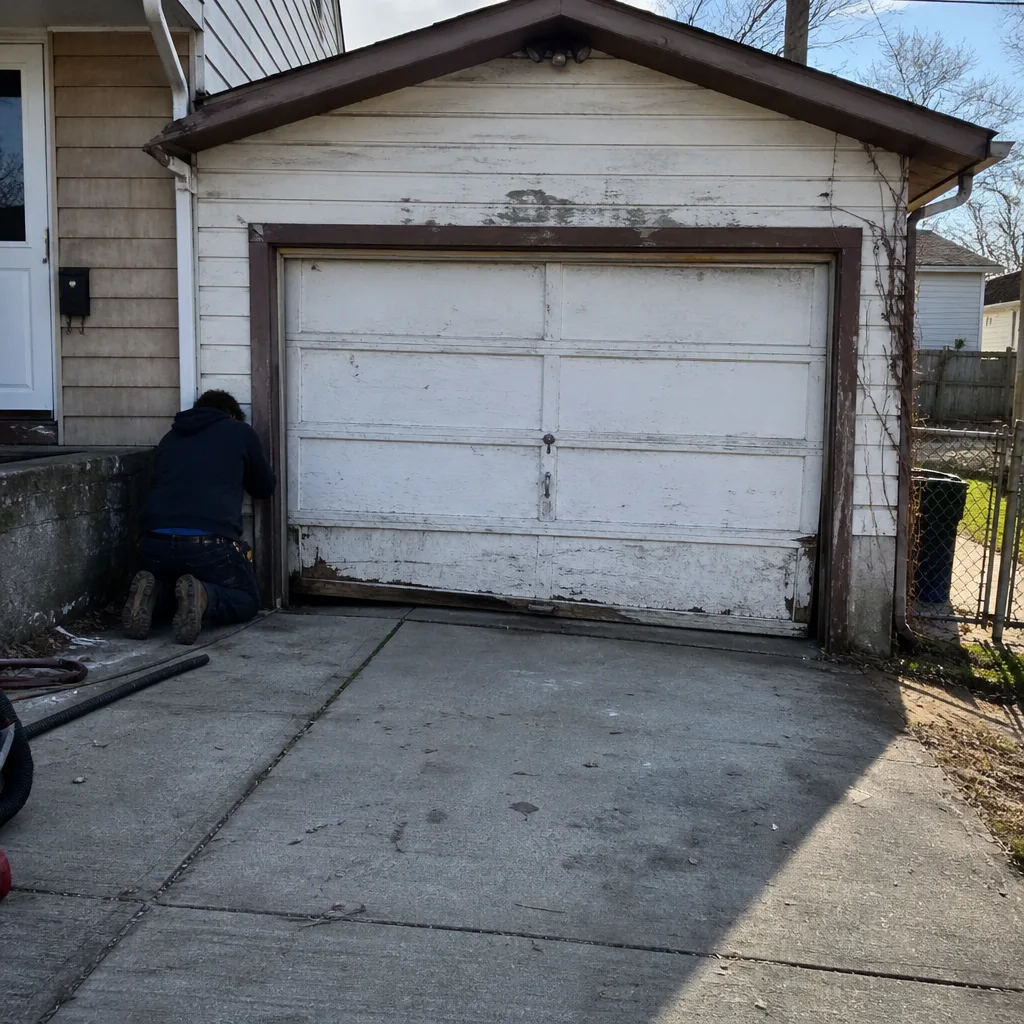 Before
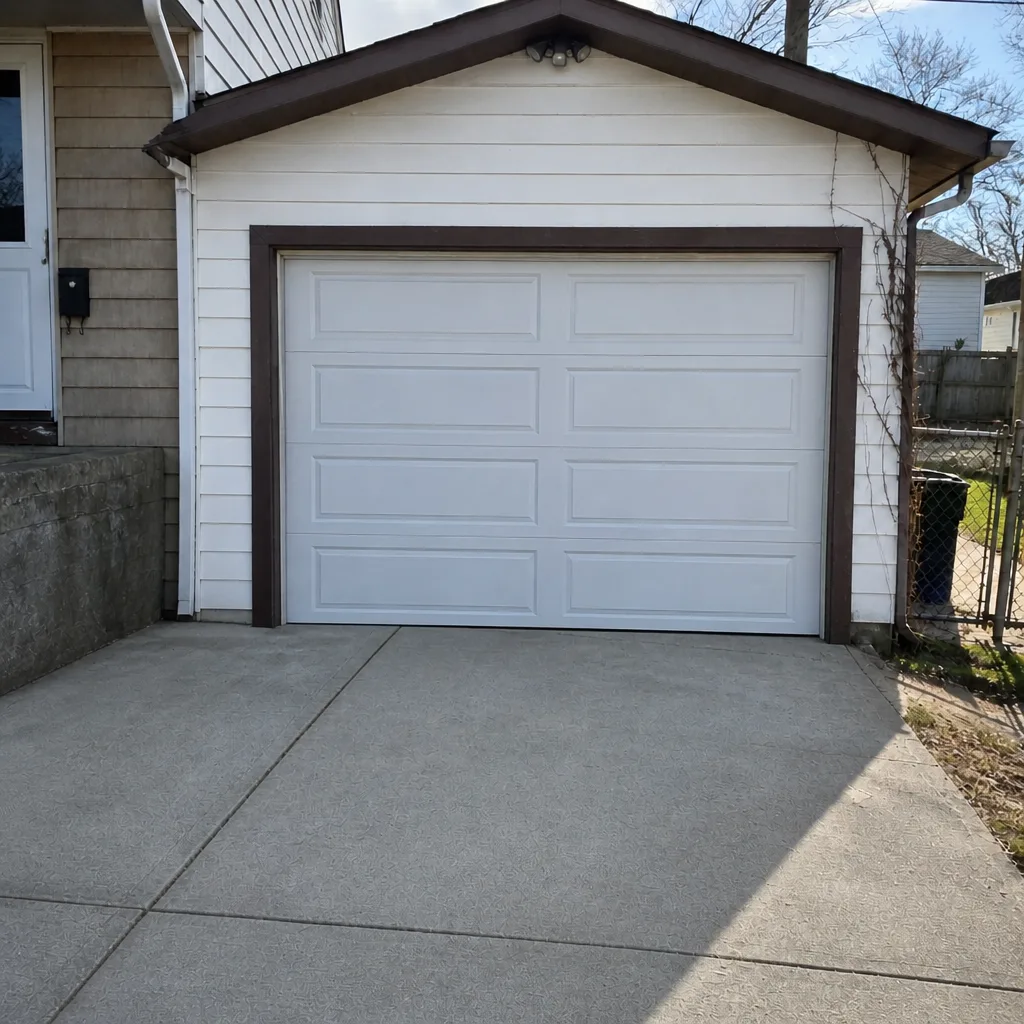 After
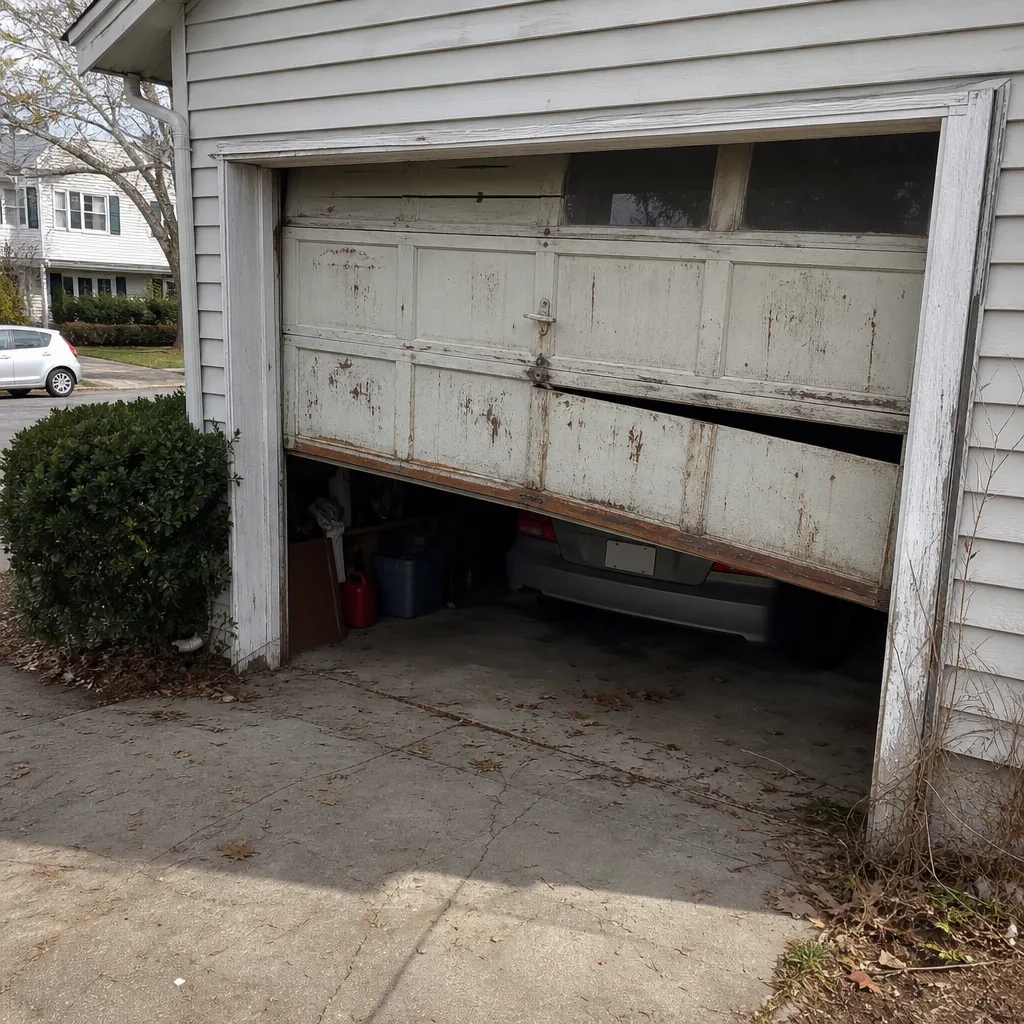 Before
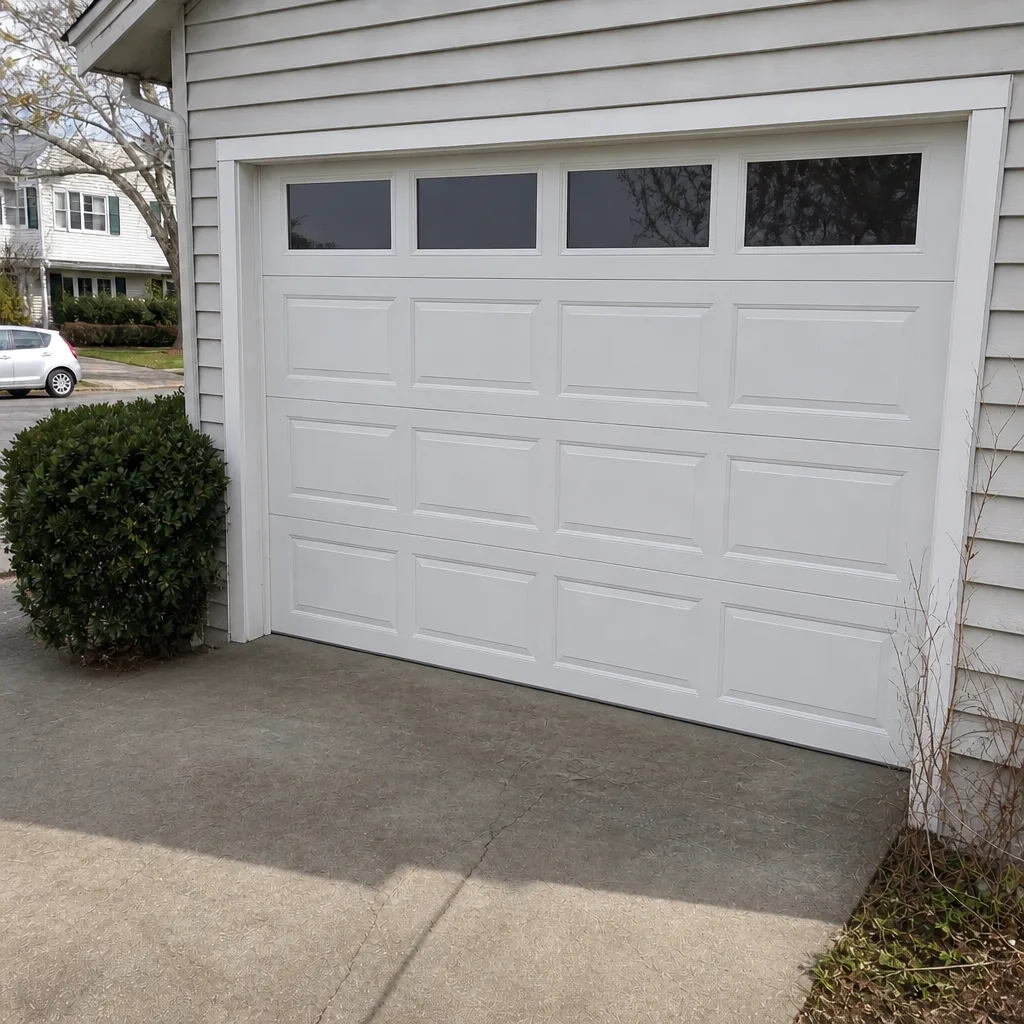 After
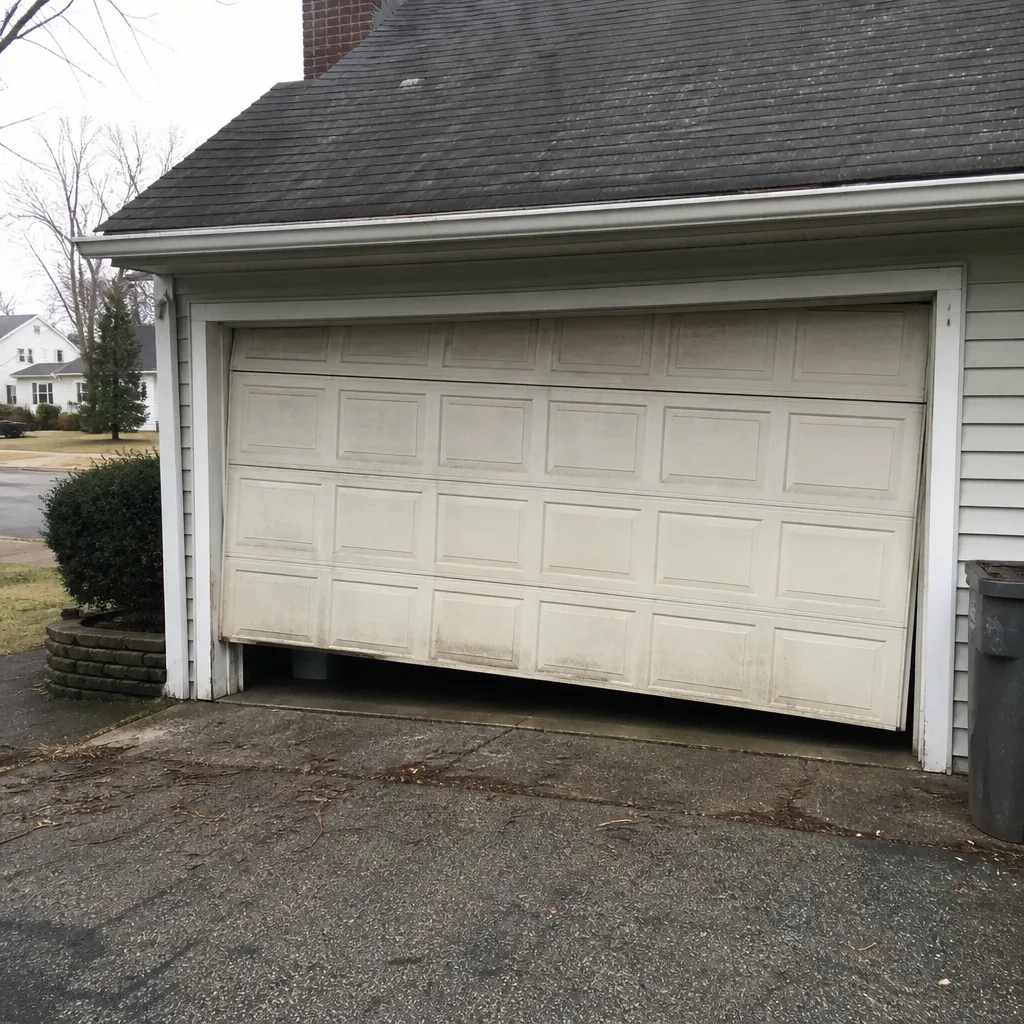 Before
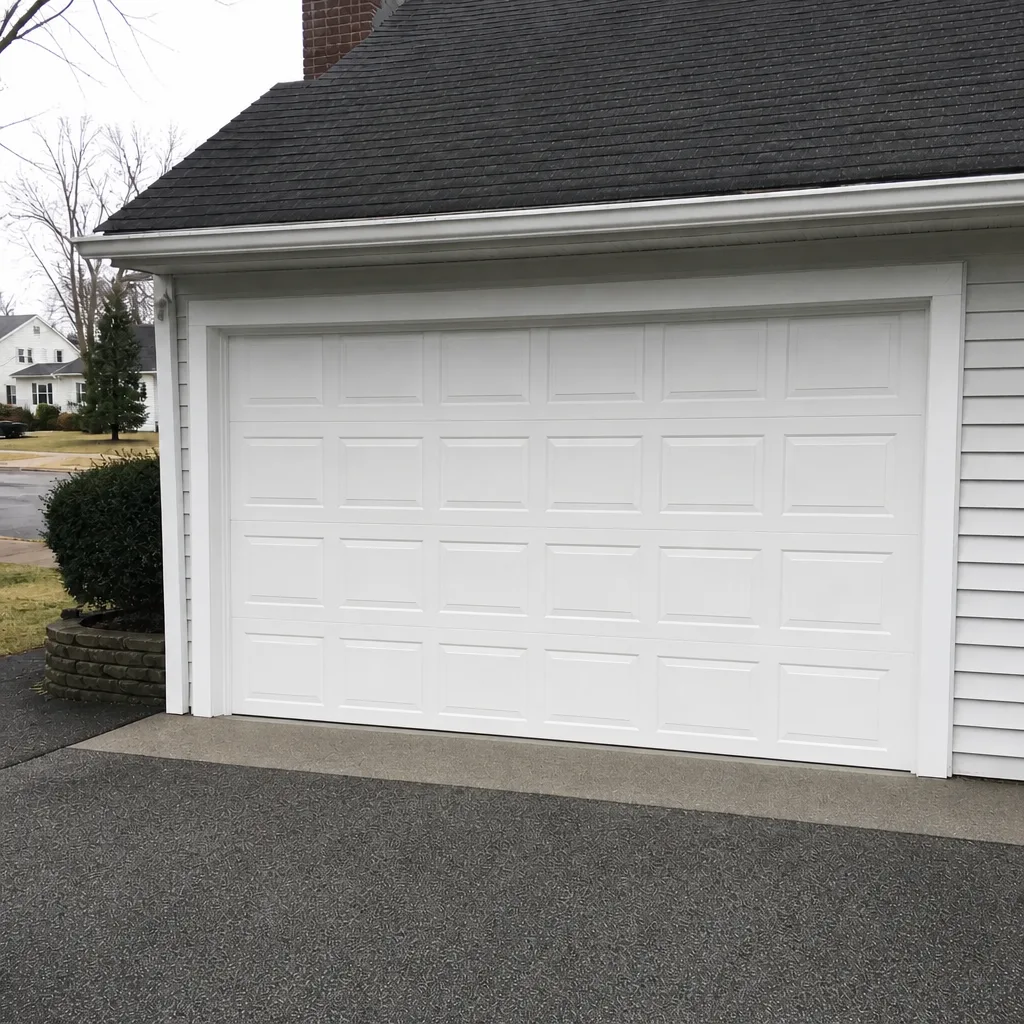 After
When to Call a Professional
Some symptoms you can watch and wait on; others need a technician in the same day. Call a professional immediately if you see a gap in the torsion spring, if the door won’t stay up when you lift it, if a cable has visibly jumped its drum, if the door slams or drops, if a reversal safety system fails the object test, or if the door is stuck open. These are all cases where continued operation risks injury or makes the repair larger.
For less urgent patterns, schedule a visit. A door that’s become consistently uneven, a grinding that’s getting louder, a door that reverses on its own after you’ve cleared the sensors, or a door that’s closing slower than it used to all deserve a look rather than another month of running. Providence Garage Door Repair Pros offers free estimates in Providence; call (833) 981-3384 and someone will be sent to look without any charge for the assessment. Our technicians have up to 10 years of experience and work across LiftMaster, Chamberlain, Genie, Clopay, Amarr, Wayne Dalton, Craftsman, and Raynor systems.
Frequently Asked Questions
Any change in how your door sounds, moves, or responds is a sign it needs a repair, even if the door still opens. The specific red flags are uneven movement, new noises, a door that reverses with nothing in the way, a door that opens fine but closes slowly, and any visible damage on the spring. If you notice any one of these, call for an inspection. Estimates are free.
Uneven movement means the door is out of balance, and the most common causes are a cable that’s binding or a spring that’s lost tension on one side. A door that hesitates at the start of a lift points more toward a spring issue; a door that tilts to one side partway up points more toward a cable. A door that stops hard or jams is urgent and shouldn’t be run. Call (833) 981-3384 for a look.
A door that reverses with nothing visible in the way is almost always responding to its safety sensors. The sensors are out of alignment, dirty, or something is breaking the beam. Clear the path, wipe the lenses, and check the alignment before touching the remote or the opener. If it still reverses after that, the sensor unit or the logic board likely needs attention.
No. A failed spring makes the door dangerously heavy, and using it can cause the door to drop or the opener to fail under the added load. Stop operating the door and call for a repair. Torsion springs store enormous energy and should only be handled by a trained technician, never adjusted or replaced as a DIY project.
Yes. Most failures follow weeks of readable signals: slower movement, new sounds, uneven travel, visual wear on the spring or rollers, and changes in how the opener behaves. Homeowners usually notice the change but don’t act because the door still works. The door still working is exactly the window to fix it before the failure.
Our technicians have up to 10 years of experience, covering every major residential garage door and opener brand. The work is 100% garage door work, so the diagnostics on your door’s sounds and movement come from the same trade every day, not from a generalist who happened to be available. For a specific diagnosis on your door, call (833) 981-3384; estimates are free.
The Bottom Line
Garage doors don’t fail without warning. They slow down, get louder, tilt, hesitate, and show visible wear on the spring well before anything breaks. The difference between a small repair and a large one is usually the gap between when the warning appeared and when someone acted on it. In Providence, the seasonal cycle makes those warnings show up on a schedule: late fall before the cold sets in, and early spring after the freeze-thaw. Run the monthly inspection, take the “call now” list seriously, and let the door tell you what it needs. If something in this guide matches what your door is doing right now, reach out. You can read more about our full service and what we cover as a company on our page on Providence Garage Door Repair Pros.
Whatever changes you’ve noticed, the right next step is a call, not another month of waiting. Our team can run through the diagnostic checklist with you, schedule an inspection, and give you a written price before any work starts. For a free estimate, call (833) 981-3384.
Written by the team at Providence Garage Door Repair Pros.