Last updated November 21, 2026
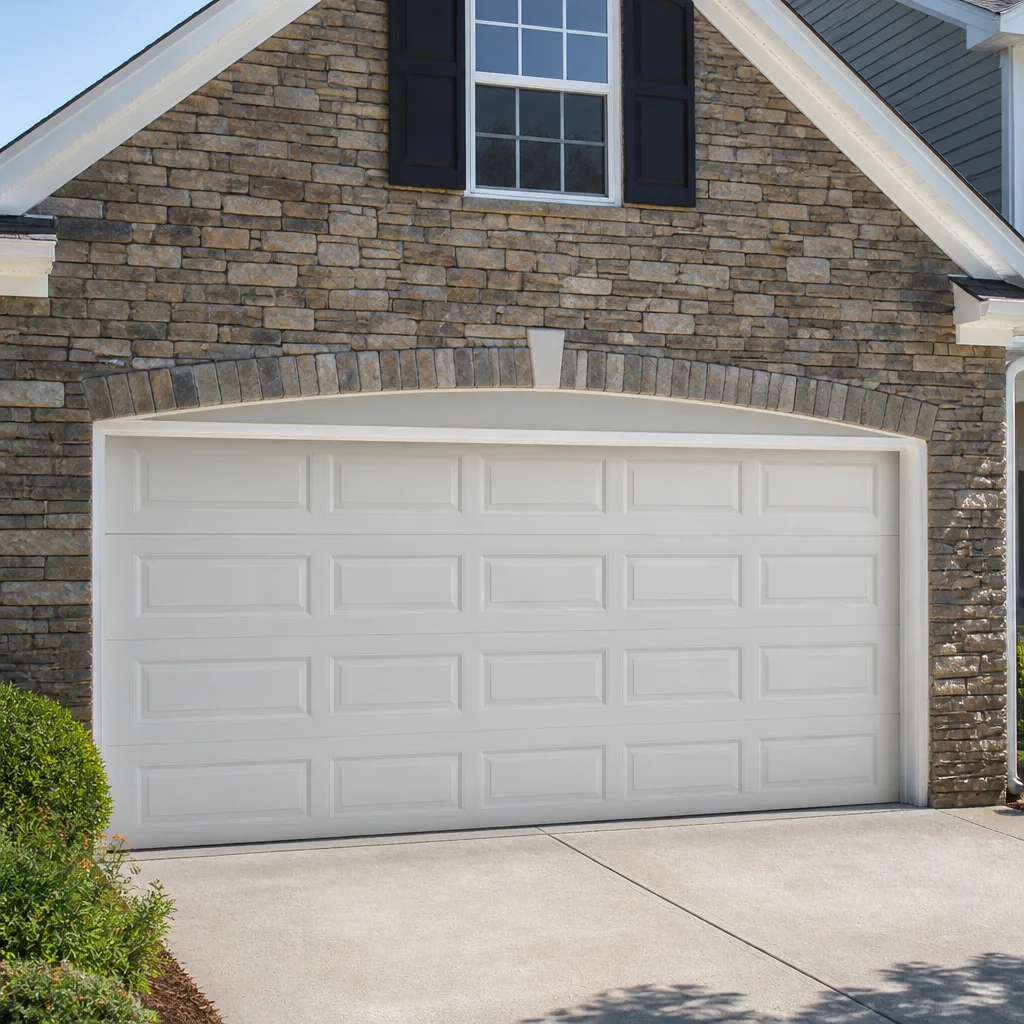 Raised-panel steel
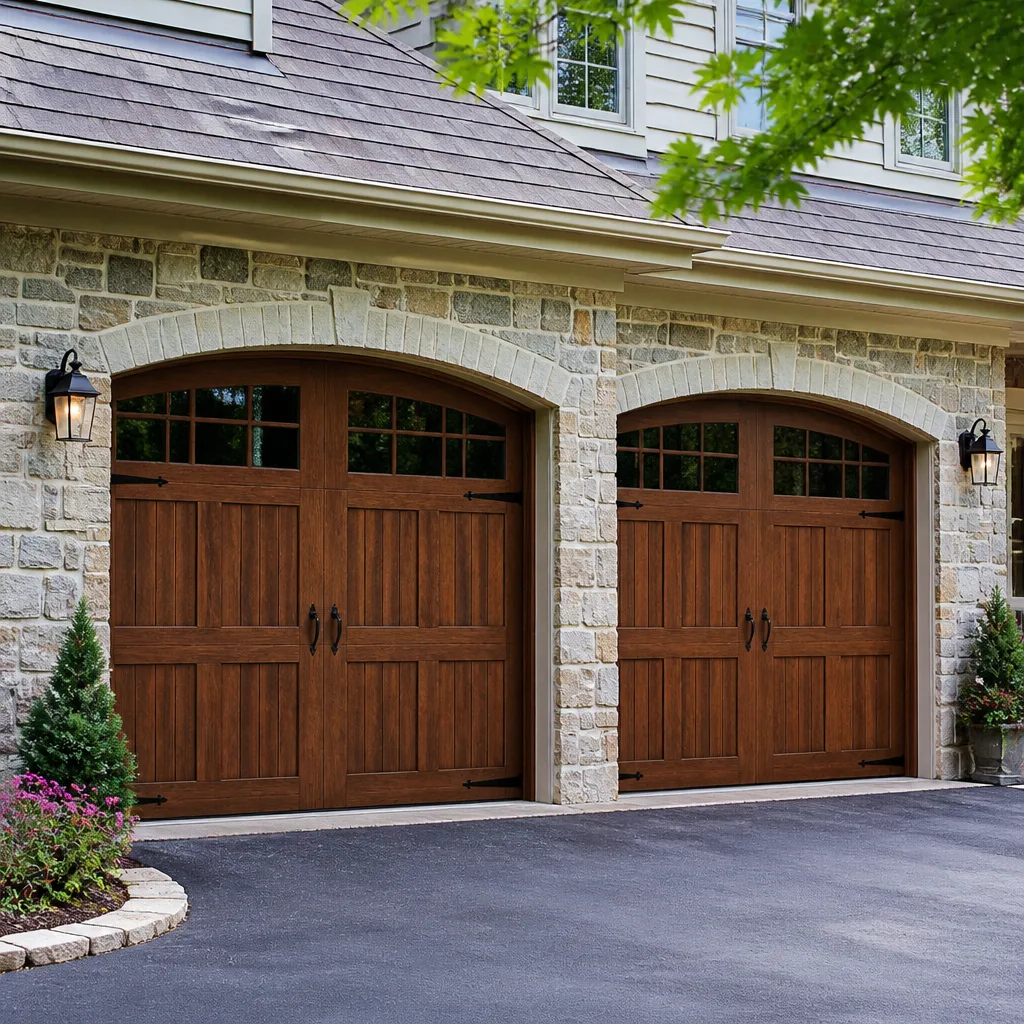 Carriage house
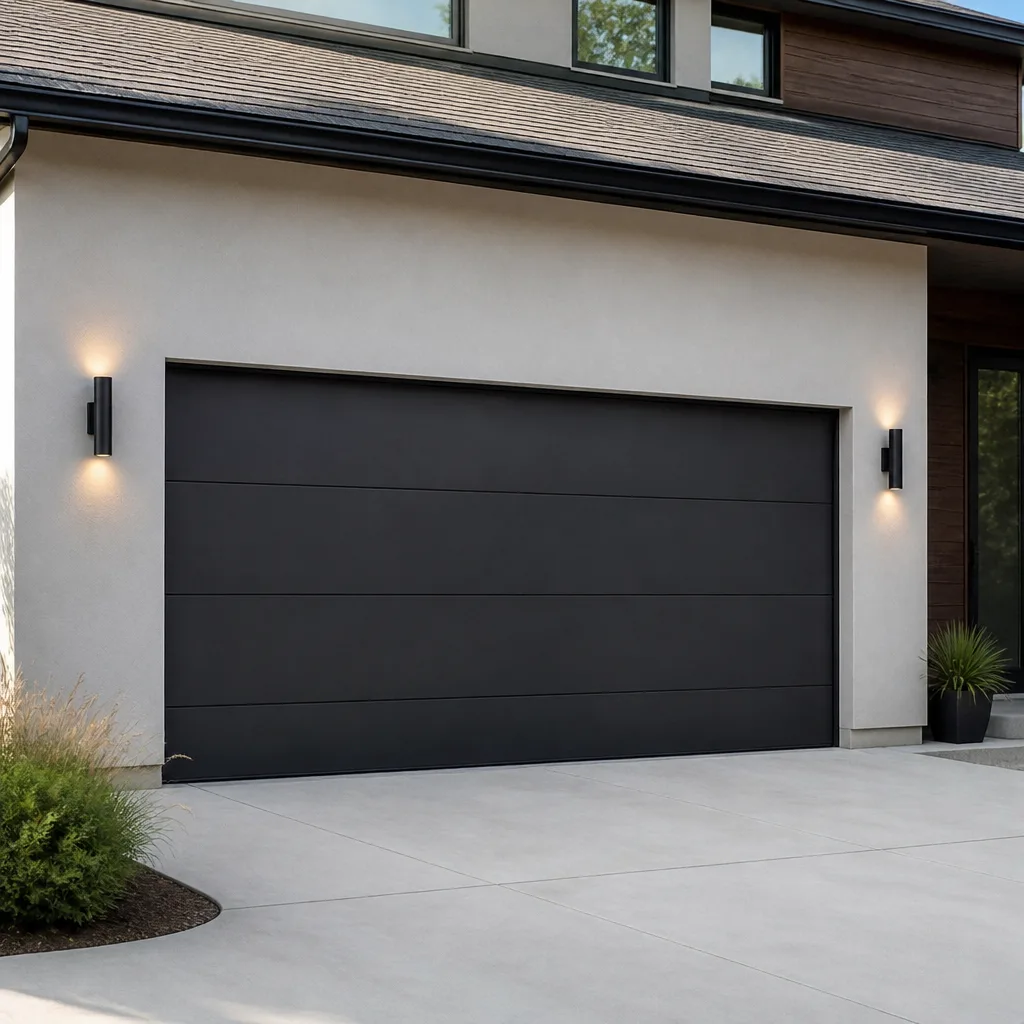 Modern flush
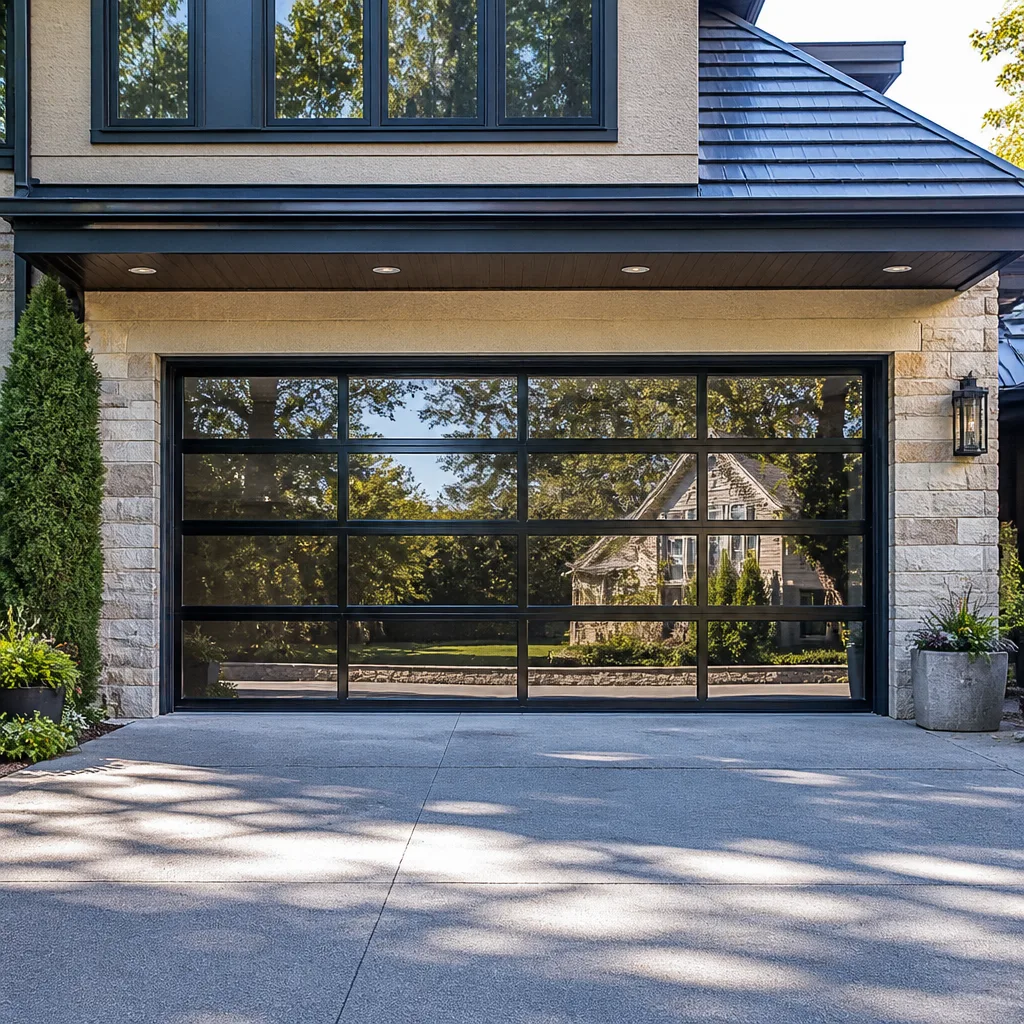 Full-view glass
 LiftMaster openers
 Chamberlain openers
Full 25-point door and opener safety check with every visit - springs, cables, rollers, tracks, and your LiftMaster or Chamberlain opener included
You get a price before we start. It does not change when the pro arrives.
Get your free estimateHow to Hire a Garage Door Contractor in Providence: A Step-by-Step Guide
Any handyman with a truck can list “garage doors” on a website. The question that actually filters the field is narrower: “What’s the difference between a Chamberlain 84505 and a LiftMaster 8500W, and when would you recommend one over the other?” If the person on the phone can’t answer that cleanly, keep calling. That’s the whole game in Providence. Hiring a garage door contractor isn’t about finding the lowest bid; it’s about separating a specialist who diagnoses a brand-specific issue from a generalist who misreads it and sells you a new door you didn’t need. This guide gives you the exact questions, what a real written estimate looks like, and the red flags that show up before you’ve paid a dime.
Quick Answer
To hire a garage door contractor in Providence, verify three things before you book: that they specialize in garage doors rather than treating them as a side job, that they can service your specific brand and opener platform (not just the brand they prefer to sell), and that they put a written, line-item estimate in front of you before any work starts. Ask two or three openers and door-brand questions, confirm the quote is itemized including labor, and treat “full replacement recommended” as a diagnosis that needs a reason, not a feeling. A specialist answers brand questions fluently and defaults to repair. A pretender dodges them and defaults to replacement.
Styles & brands we work with
- Raised-panel steel
- Carriage house
- Modern flush
- Full-view glass
- LiftMaster openers
- Chamberlain openers
Table of Contents
- Why a Garage Door Specialist Beats a Generalist in Providence
- The Five Interview Questions That Expose a Generalist
- What Rhode Island Licensing Actually Covers for Garage Door Work
- Red Flags in Quotes: Diagnosis vs. Sales Tactic
- How to Verify Cross-Brand Experience, Not Just Brand Loyalty
- What a Legitimate Written Estimate Should Include
- Step-by-Step: How to Vet a Contractor in Order
- Springs and Opener Safety: Why This Trade Is Different
Why a Garage Door Specialist Beats a Generalist in Providence
A garage door is a mechanical system with its own logic: counterbalance springs under tension, a torsion or extension setup, a track and roller geometry, and an opener with a control board, limits, and safety sensors. A generalist handles a dozen trades and touches that system occasionally. A specialist works inside it every day. The difference shows up first in diagnosis, and diagnosis is where money is made or lost.
Here’s the practical split. A generalist confronted with a door that opens a foot and reverses often reaches for the opener as the culprit and recommends replacement. A specialist checks the balance first, because a door that’s out of balance fights the opener and mimics an opener fault. That’s a repair-first instinct, and it’s the single clearest signal of who you’re dealing with. Whatever brand you have, a specialist knows the difference between a symptom and the cause. In our experience the most expensive mistake a homeowner makes isn’t picking the wrong contractor brand; it’s accepting a replacement recommendation that a fifteen-minute balance check would have dissolved.
Providence adds its own wrinkles. This is a dense, older city with a lot of housing stock where the garage was retrofitted decades after the house was built, which means you’ll find undersized doors on modern openers, extension springs on older setups, and low-headroom installations that limit which openers even fit. A contractor who works Providence regularly has seen those configurations many times. One who mostly does new construction two towns over hasn’t. The work itself is the trade. Everything else is a side job.
Specialist focus also means the tools and the parts knowledge stay on topic. Springs come in specific wire gauges matched to door weight; a wrong gauge is a safety problem, not a shortcut. Openers have model-specific logic boards and travel limits. A contractor who services eight of the major brands – the door makers like Clopay and Amarr alongside the opener makers like LiftMaster and Genie – arrives already familiar with your system instead of learning it in your driveway. That’s the fluency worth paying for.
The Five Interview Questions That Expose a Generalist
You don’t need to know the answers yourself. You need to hear how confidently the person on the phone handles them. Read these off. A specialist answers in sentences. A pretender deflects, generalizes, or steers to a sales pitch.
- “What brand and model is my opener, and what should I check first if it’s reversing?” A specialist asks you to look at the unit, recognizes the model family, and lists the usual suspects in order: safety sensors, travel limits, balance. A generalist guesses.
- “Do you service Raynor and Amarr doors, or only installs?” Cross-brand service is the tell. Anyone who only services the brand they sell has a reason to push that brand. You want the contractor who repairs what’s already there.
- “My door is out of balance. What does that mean and what would fix it?” This question separates mechanics from salespeople. A balance problem is a spring and hardware issue. If the answer jumps straight to “you probably need a new door,” you have your answer.
- “What’s in the written estimate, and is labor itemized?” The right answer names parts, labor, and any disposal or haul-away as separate lines. A vague “we’ll take care of it” is not an estimate.
- “Can you handle a same-day emergency if my door won’t close?” Emergency response should be a core offering, not a promise to call you back Monday. Providence winters make a door stuck open a real problem, and you want the contractor who treats it as one.
Ask these before you book. A specialist will welcome the questions, because they get to demonstrate what they know. Someone who’s uncomfortable being asked is telling you something useful without meaning to.
What Rhode Island Licensing Actually Covers for Garage Door Work
Here’s the part most homeowners get wrong. Rhode Island regulates contractors at the state level through its contractor registration system, and a general contractor’s registration is not the same thing as a specialty credential in garage doors. Garage door installation and repair typically fall under a specialty or home-improvement category, and the registration a company holds tells you what class of work it’s registered to perform. Ask which one, and ask them to show it.
What licensing does not do is certify that someone can safely de-tension a torsion spring. That skill isn’t on a license application. It’s learned on the job, with the right winding bars and a trained understanding of stored energy, and it’s the reason so many generalists avoid spring work or subcontract it out. When you ask “are you licensed,” you’re verifying the business is registered and accountable. When you ask “do you do springs in-house with your own technicians,” you’re verifying the harder thing: that the dangerous part of the work is done by people who do it constantly. Both questions matter. Only one of them is on the paperwork.
- Verify: the contractor is registered as a business in Rhode Island and can tell you the class of work that registration covers.
- Verify: general liability insurance and workers’ compensation where applicable. Ask for a certificate, not a verbal yes.
- Verify: spring repair and opener repair are done by the company’s own technicians, not subcontracted to a third party you haven’t vetted.
- Understand: no license teaches spring technique. Experience does. Ask how long their technicians have been doing this specific work, and listen for a real answer.
If a contractor can’t tell you which class of registration they hold, that’s not a red flag you talk yourself past. It’s a reason to keep calling.
Red Flags in Quotes: Diagnosis vs. Sales Tactic
“Full replacement recommended” is a legitimate diagnosis sometimes. A door with a bent track, rusted-through bottom sections, or a panel that’s delaminated after years of moisture isn’t worth patching. But a replacement recommendation should come with a reason you can repeat back, and the reason should connect to something you can see. When it doesn’t, you’re looking at a sales tactic dressed as a diagnosis.
The clearest tell is the sequence. A specialist diagnoses first and quotes second. A sales-first contractor quotes the replacement before looking at the mechanism. Here’s the pattern to watch for:
- Replacement recommended before the balance and spring condition were checked. Springs, cables, and rollers are the usual suspects for a door that won’t operate right. If nobody checked them, the recommendation isn’t finished.
- A quote with one big number and no line items. Itemization is your insurance against being sold work you don’t need. A single lump sum hides the fact that the “replacement” is doing the job a $200 spring repair would do.
- Pressure to decide today, or a price that expires if you don’t sign. Springs aren’t going anywhere and neither is a written estimate. A specialist will let you think about it.
- The contractor can’t name the brand of your door or opener. If the system in front of them is a mystery, any diagnosis of it is a guess.
- The quote doesn’t explain what happens to the old door and hardware. Haul-away and disposal are real line items on a replacement. Their absence in a “full replacement” quote means the number isn’t complete.
When in doubt, get a second written estimate and compare the line items, not the totals. The cheaper total with a vague scope is the more expensive job. A genuine replacement recommendation survives a second look. A sales pitch usually doesn’t.
How to Verify Cross-Brand Experience, Not Just Brand Loyalty
A contractor’s brand loyalties are usually visible in what they sell. What you need to know is what they can service. Plenty of installers push one door brand and one opener brand because that’s their supply chain, and their repair capability stops at the edge of that catalog. You want the contractor whose familiarity runs across the major systems, because your system was probably installed by someone else and won’t match whatever they prefer to sell.
The major door brands – Clopay and Amarr among them, with Wayne Dalton and Raynor rounding out the wider field – have distinct panel profiles, track designs, and hardware conventions. The major opener brands have their own control boards, travel-limit procedures, safety-sensor wiring, and app ecosystems. A LiftMaster wall-mount opener and a Genie belt-drive model are different enough in installation and troubleshooting that only someone who works across them routinely can move between the two without learning on your time.
Modern openers add another layer. Lots of Providence homes now have Wi-Fi-connected openers from Chamberlain, LiftMaster, and Genie, and those systems fail in ways older mechanical openers never did: firmware, app pairing, sensor comms, limits that drift after a power event. A contractor who only knows legacy mechanical units is out of their depth the moment your opener has an app. A specialist who knows both the old mechanical systems and the current smart platforms is the one who can actually fix what’s failing.
How do you verify it without being an expert? Ask them to name the brands they service and then ask a specific follow-up about one of them. Someone who genuinely works across Clopay, Amarr, Wayne Dalton, and Raynor will have opinions and details to offer about each. Someone bluffing will repeat the list back to you with nothing behind it.
What a Legitimate Written Estimate Should Include
The estimate is the most important document in this whole process, because it’s the difference between a price you agreed to and an invoice you didn’t. Insist on it in writing. A legitimate estimate gives you enough to say yes to a specific scope, not a vague promise that it’ll get handled.
A complete garage door estimate should include:
- Your name, address, and the date. Sounds basic. It’s the difference between a real document and a text message.
- The diagnosis in plain language. What’s wrong, why, and how the proposed work addresses it. “Door out of balance, torsion spring seized, opener travel limits out of adjustment” beats “door repair.”
- Parts, itemized. Spring size, cable, roller, opener model, sensor, panel – whatever applies, named. If it’s a pair of springs, it should say pair, not one.
- Labor, itemized separately. You want to see what you’re paying for the work versus the parts.
- Haul-away and disposal if the job involves removing old components or a door.
- Total, plus any permit or inspection line if the job needs one. Ask your city’s building department whether your specific job requires a permit; don’t assume.
- The contractor’s contact info and a clear statement that this is the agreed price before work starts, with any conditions (like “if we find X, we’ll call before proceeding”) spelled out.
What’s usually missing from a vague quote? The labor line. The haul-away. The part numbers. The condition that lets the contractor call you before adding scope. And most importantly, the confirmation that the number is the number. Prices are estimates until the work is done, but the written estimate sets the final price, and any change to scope gets agreed with you before a single bolt is turned. That’s the commitment you want in writing.
Step-by-Step: How to Vet a Contractor in Order
Run these steps in sequence. Each one filters the field, so by the time you reach the estimate, you’re likely to be talking to a specialist rather than a pretender.
- Start with a brand question. Call and ask about your specific opener and door brand, plus the difference between two models in the same family. If they can’t answer in sentences, cross them off.
- Ask about the specific problem, not the fix. Describe the symptom – door reverses, spring snapped, opener won’t engage – and see whether they diagnose or jump to a sale. A specialist asks questions back.
- Confirm specialty. Is garage door work the company’s entire business, or a side job? A single-trade specialist puts all its equipment and expertise into doors and openers.
- Verify registration and insurance. Ask for the class of Rhode Island registration and a certificate of insurance. No certificate, no booking.
- Ask about the spring work specifically. Who does it, are they the company’s own technicians, and how much experience do they have with it. This is the safety-critical job, so it deserves its own question.
- Get it in writing. Ask for the line-item estimate before you schedule anything. Compare it against a second estimate, and check that both cover the same scope.
Don’t shortcut the first step. The brand question is the single highest-signal filter in this whole list, and it costs you one phone call. If you want a starting point for what specialist service looks like, look at how a repair-first shop describes garage door repair – the language should be about diagnosis and parts, not packages and sales.
Springs and Opener Safety: Why This Trade Is Different
A garage door spring holds a door that weighs well over a hundred pounds under tension. When it fails, it fails violently, and the injury risk is real – which is why spring repair is the one job no homeowner should attempt themselves, and the one job many generalists quietly avoid. A proper spring job uses the correct winding bars, the correct spring matched to door weight, and a technique for releasing stored tension that’s been practiced many times. That’s not a skill you pick up from a video, and it’s not a job to hand to someone who does doors occasionally.
Openers carry their own safety load. Modern openers rely on safety sensors at the door bottom, and a misaligned or bypassed sensor is a genuine hazard for anyone who leaves a car in the driveway or a kid near the door. When an opener is repaired, the sensors and the auto-reverse should be checked as part of the job, not as an upsell. If a contractor hands you back an opener without checking the reverse, that’s a safety gap. Ask.
We say all this not to scare you off repair – most doors are repairable and the repair-first instinct is almost always the right one. We say it so you know which question to ask at the estimate stage: “Who does the spring work, and are they trained for it?” The right answer is the company’s own technicians, working on this trade as their primary specialty. If the answer is “we’ll bring someone in,” keep calling. This isn’t a job for a handoff.
A note on installation and replacement, since those are the other likely paths. That work is measured and ordered, not same-day. If your job lands on that side, the process is a free measure and a written price before anything gets scheduled. For the full picture on what that looks like, our guide to garage door installation walks through the measure, order, and install sequence.
Common Mistakes to Avoid
- Hiring on price alone. The lowest bid is usually the most general contractor in the pile, and the cheapest fix tends to be the one that doesn’t last. Compare line items, not totals.
- Not asking the brand question before you book. A single phone call filters the field. Skipping it means you’ll do the filtering in your driveway, while someone who can’t diagnose your system stands in front of it.
- Accepting “you need a new door” without a reason you can understand. Replacement is sometimes right. But if the reason isn’t tied to something visible – a bent track, a compromised panel, a mechanism that can’t be safely repaired – ask again.
- Letting a generalist touch a spring. This is the trade’s most dangerous job and the most commonly fumbled by contractors who “also do garage doors.” Insist on a specialist who does spring repair in-house.
- Not getting it in writing. A verbal quote isn’t an estimate. Vague terms create room for a number you didn’t agree to, and the whole point of the written estimate is to close that room.
- Overlooking the opener’s safety sensors and auto-reverse. Provincial homes with Wi-Fi-connected openers can drift out of adjustment after a power event. Any opener repair should verify the reverse mechanism, not just restore the button.
- Ignoring what the winter does to the hardware. Freeze-thaw cycles work on springs, cables, and the bottom seal. A door that closes in summer can fail to close in a Providence winter, so get the balance checked before it becomes an emergency.
See the difference
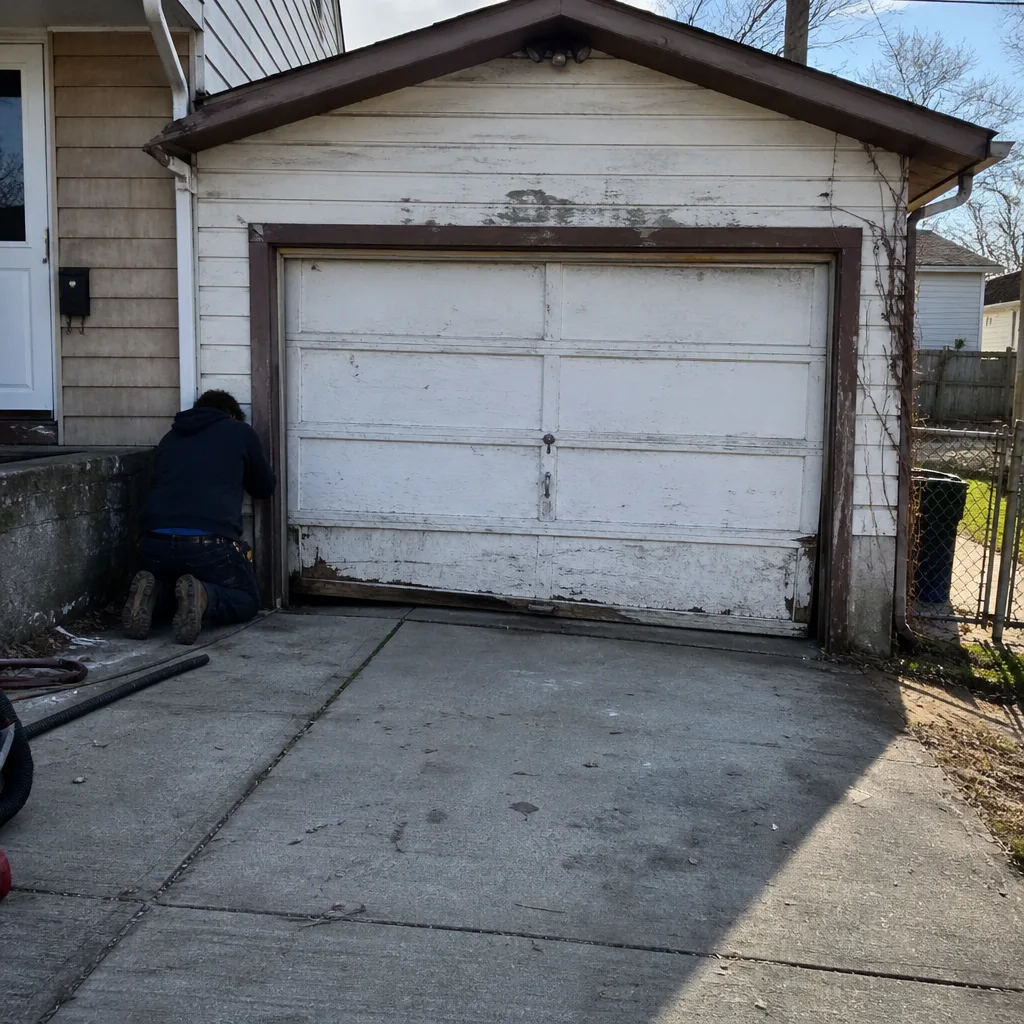 Before
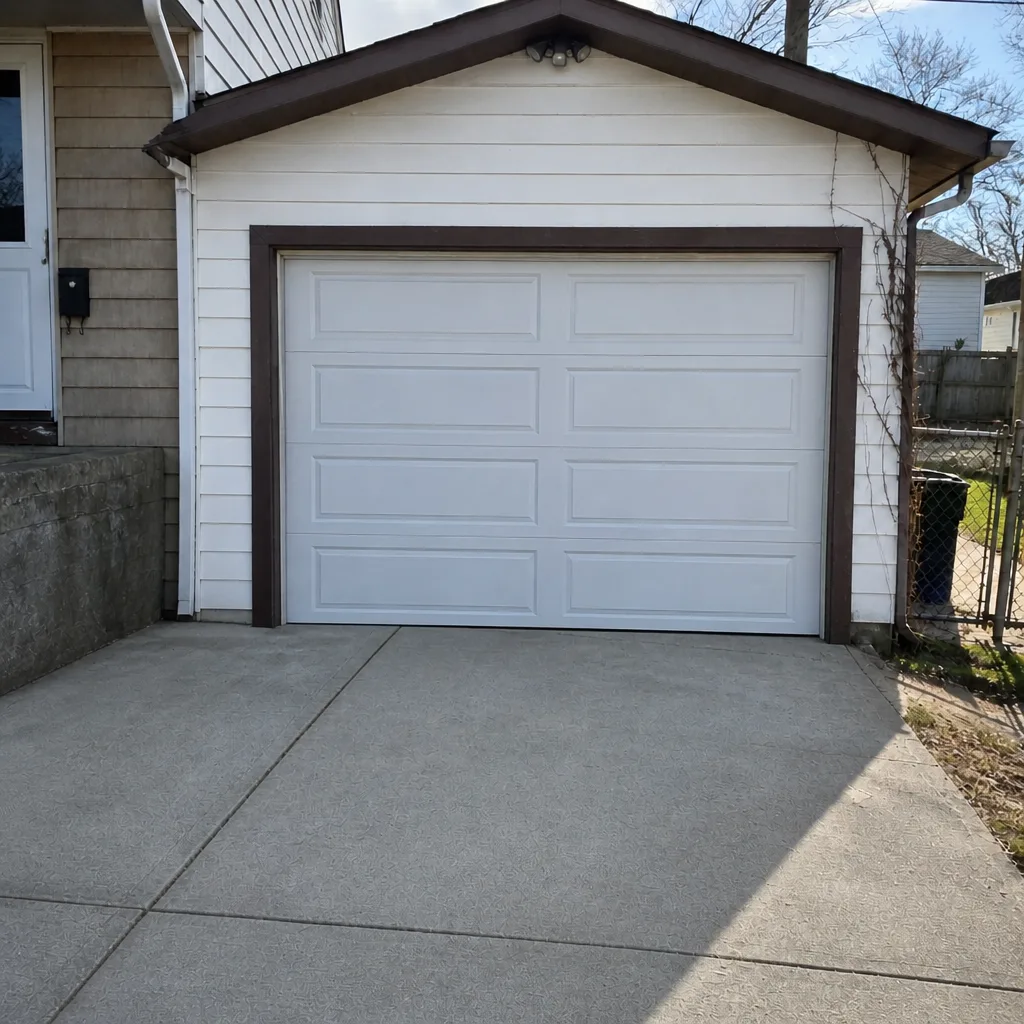 After
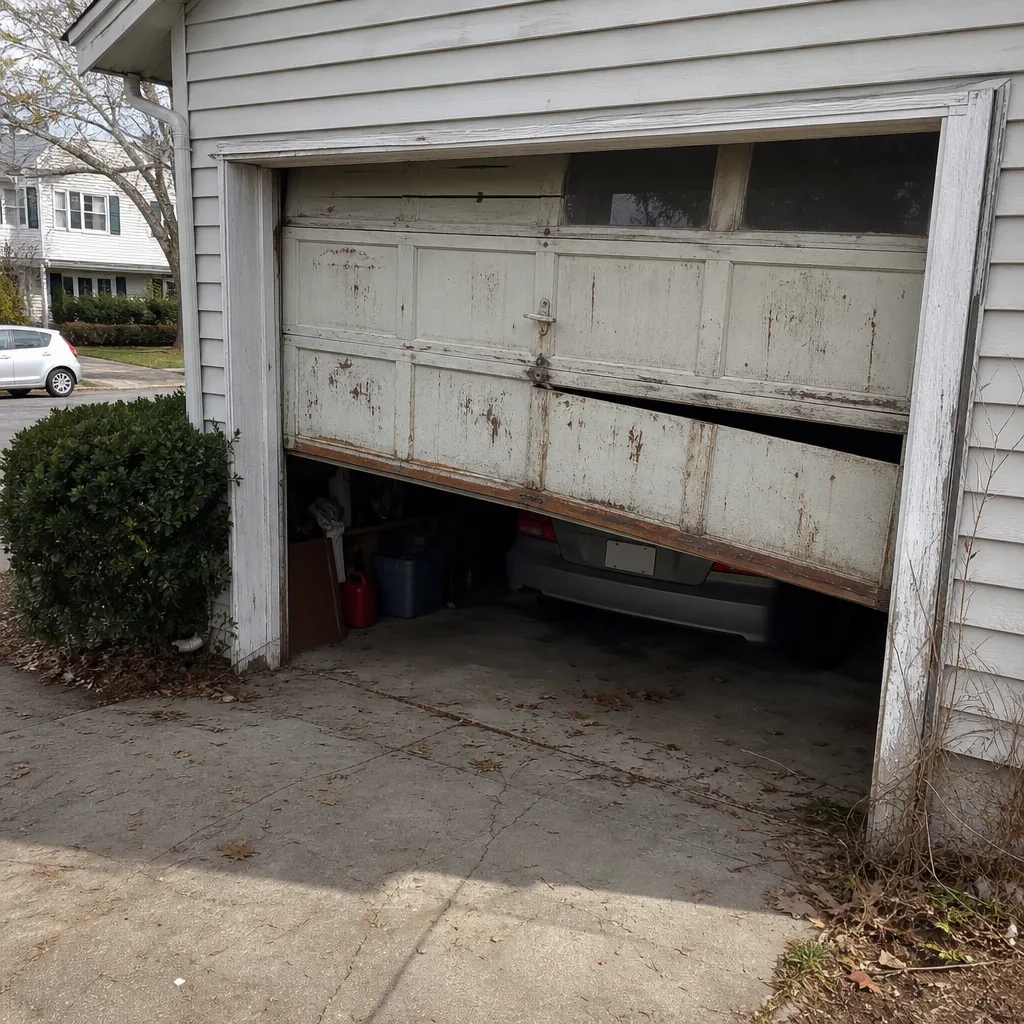 Before
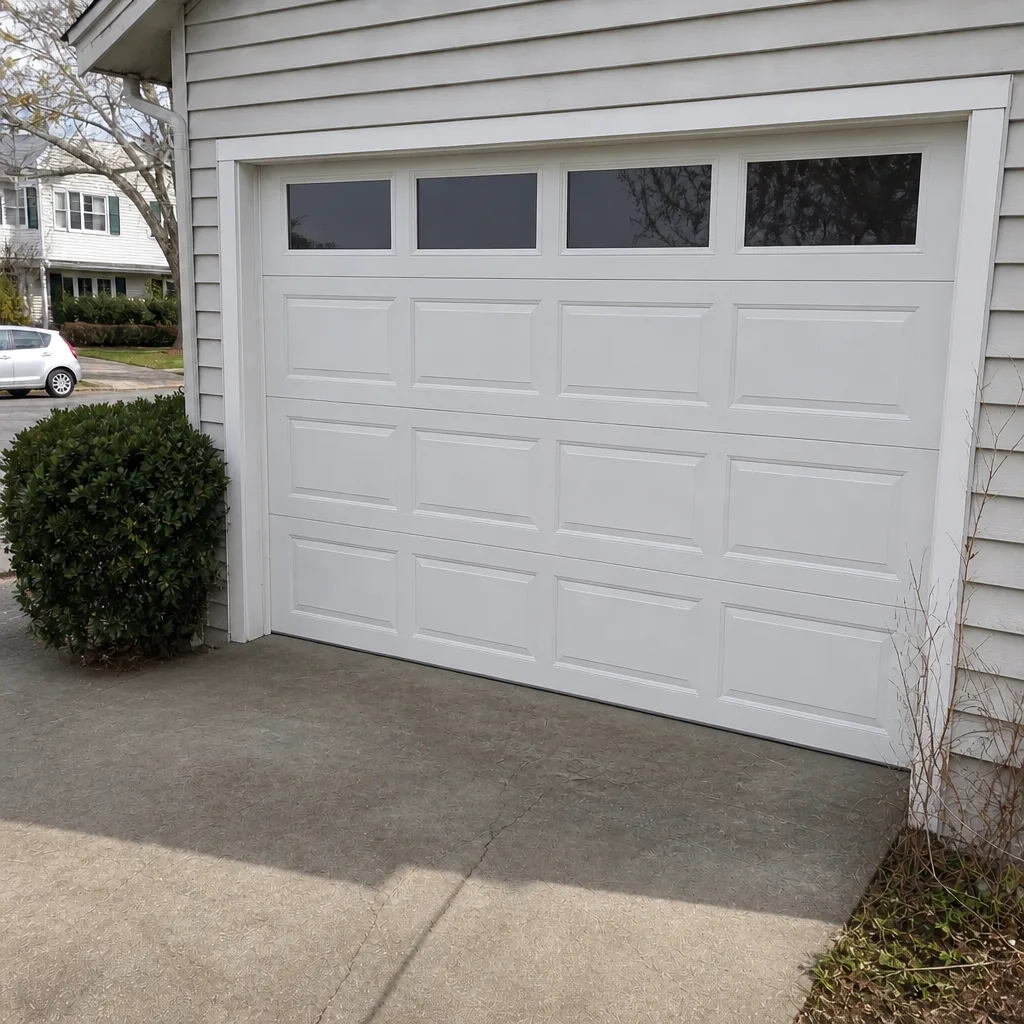 After
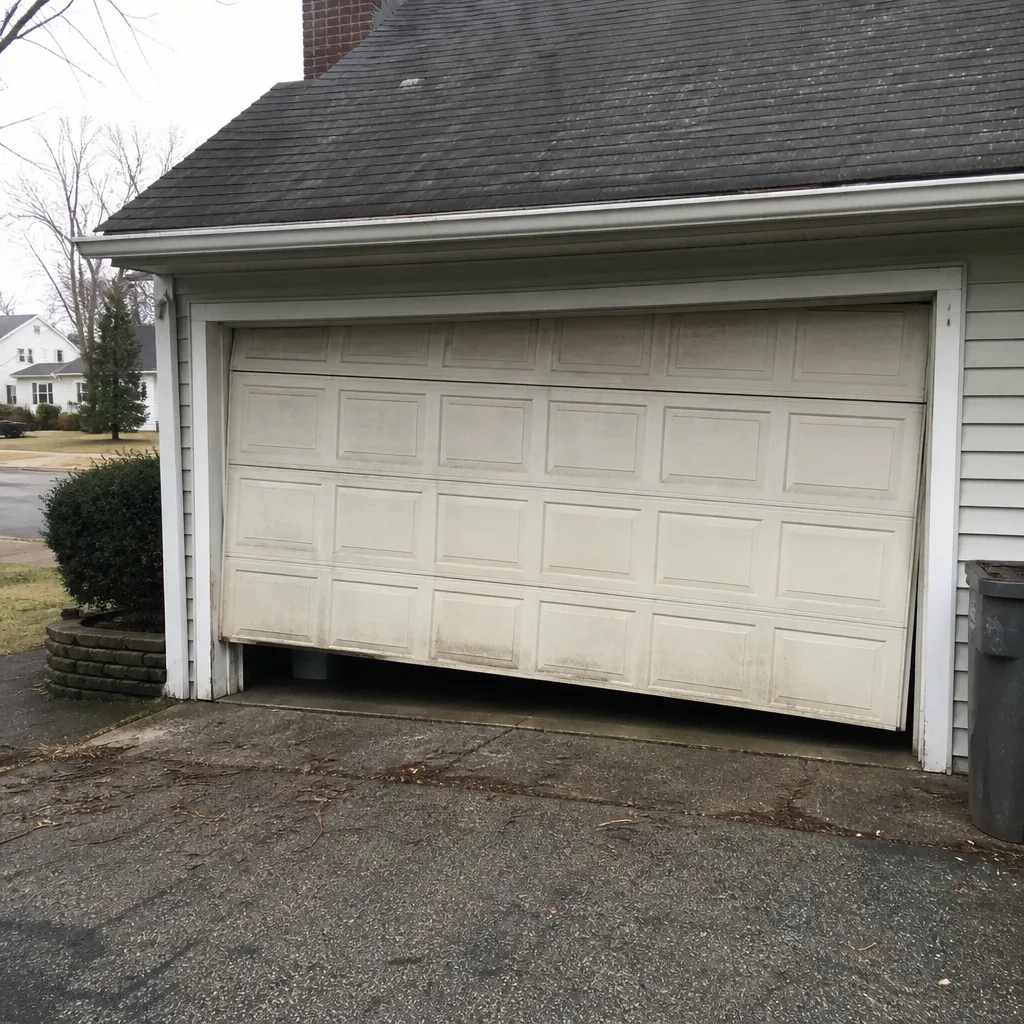 Before
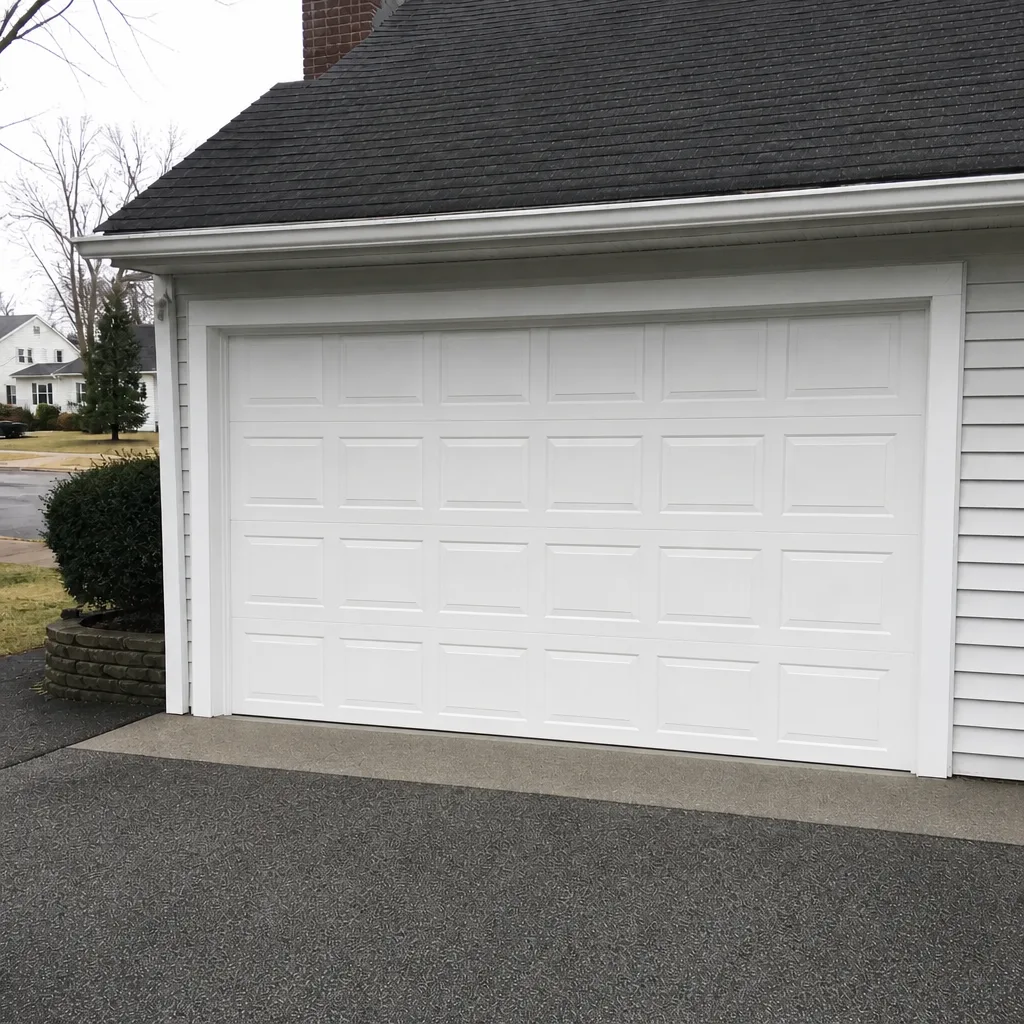 After
When to Call a Professional
Call a professional when the spring snaps, the cable frays or jumps its drum, the door is out of balance or drops hard, the opener won’t engage or reverses for no reason, or a door is stuck open and you can’t secure the house. Any of those is a safety or security issue that shouldn’t wait on a weekend project. A snapped spring or a door stuck open is an emergency – not a callback promise, a real response. For routine diagnostics, opener behavior that’s drifted after a power event, or a door that’s just begun to bind, schedule a proper diagnosis and get the estimate in writing first. Providence Garage Door Repair Pros offers free estimates in Providence – call (833) 981-3384. Estimates are free, and the written one sets the price before we start.
Frequently Asked Questions
Most garage door repairs fall in the range a written estimate will confirm, and the price depends on which part failed – a spring, a cable, a roller, an opener board, or a sensor. Rather than quote a number before we’ve seen the door, we diagnose and put the parts and labor in writing. Call (833) 981-3384 for a free estimate and an exact number.
Yes – emergency response is a core part of what we do, and a door stuck open is exactly the situation it’s built for. Call and describe what’s happening so we can get the right technician out. A stuck door that leaves the house open shouldn’t wait. Call (833) 981-3384.
The written estimate sets the final price, and if we find something during the job that changes the scope, we call you before we proceed. You agree to any change before a single bolt is turned. That’s the commitment – the number on the written estimate is the number you pay. Call (833) 981-3384 to get an estimate started.
The local pro we connect you with is registered and insured as Rhode Island requires, and we can provide the certificate to confirm it. Spring repair and opener repair are handled by our own technicians, not subcontracted. Call (833) 981-3384 with any questions about credentials.
We service the major brands across the field, including Raynor and Amarr doors, and we work on the dominant opener platforms from LiftMaster, Chamberlain, Genie, Craftsman, and others. Whatever brand you have, we know it – repair is our default, not replacement. Call (833) 981-3384 to confirm your specific system.
Modern Wi-Fi-connected openers from Chamberlain, LiftMaster, and Genie can lose their travel limits or drop pairing after a power event, and the fix is a diagnostic, not a replacement. Describe the model and what it’s doing. Call (833) 981-3384 for a free estimate on getting it back online.
The Bottom Line
Hiring a garage door contractor in Providence comes down to filtering for specialty, cross-brand fluency, and a written estimate – in that order. Ask the brand question first, because it filters fastest. Verify registration and in-house spring work second. Get the itemized estimate in writing and confirm the price is agreed before work starts. A specialist welcomes all three, because the questions let them show what they know. A pretender deflects on the first one and rushes the third. Treat a replacement recommendation as a diagnosis requiring a reason, default to repair, and keep calling until someone answers the brand question in sentences.
If you’ve read this far, you’re already asking better questions than most. Put them to work. For garage door work in Providence – repair, opener diagnostics, spring service, or a new door measured and priced in writing – start at Providence Garage Door Repair Pros or call us directly. Whether it’s a snapped spring, an opener that’s drifted out of adjustment, or a full replacement you’re weighing, we’ll answer the brand question first and put the price in writing before anything starts. Call (833) 981-3384 for a free estimate.
Written by the team at Providence Garage Door Repair Pros.