Last updated November 21, 2026
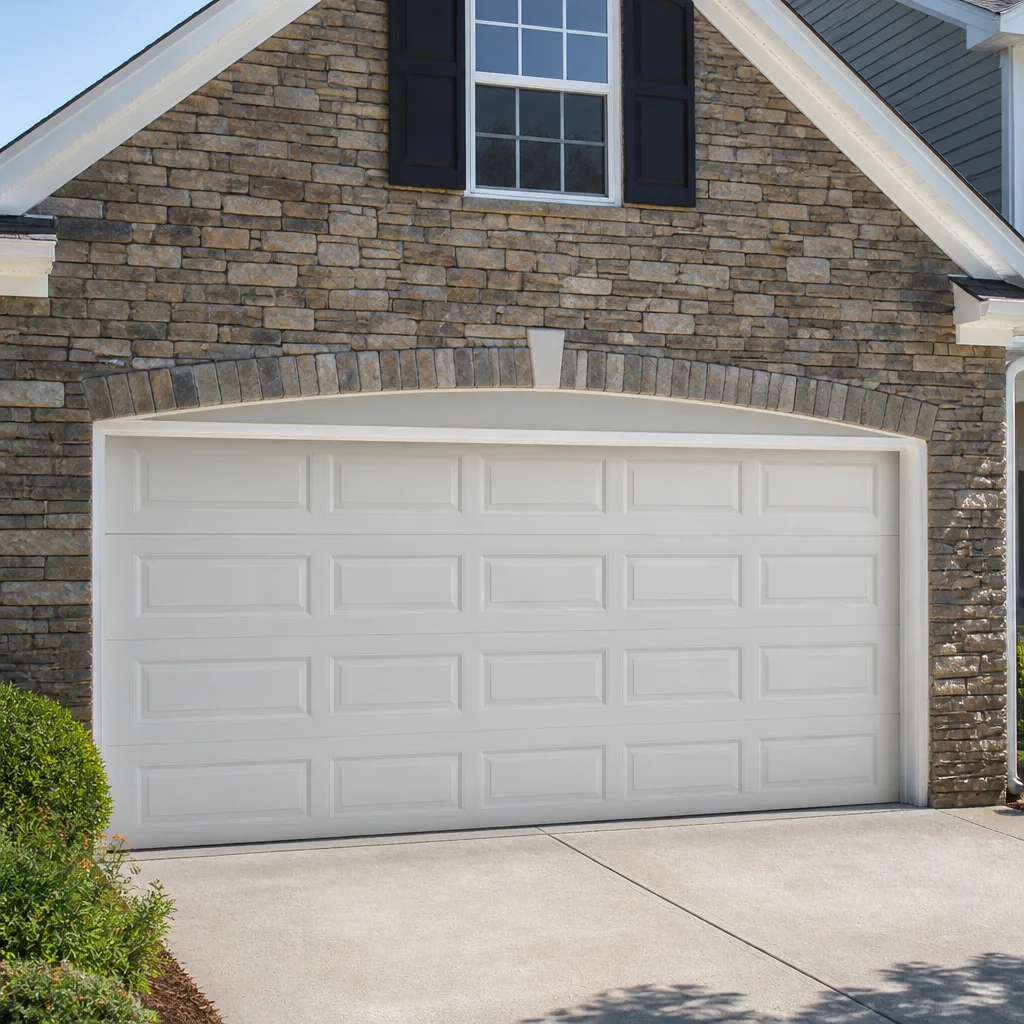 Raised-panel steel
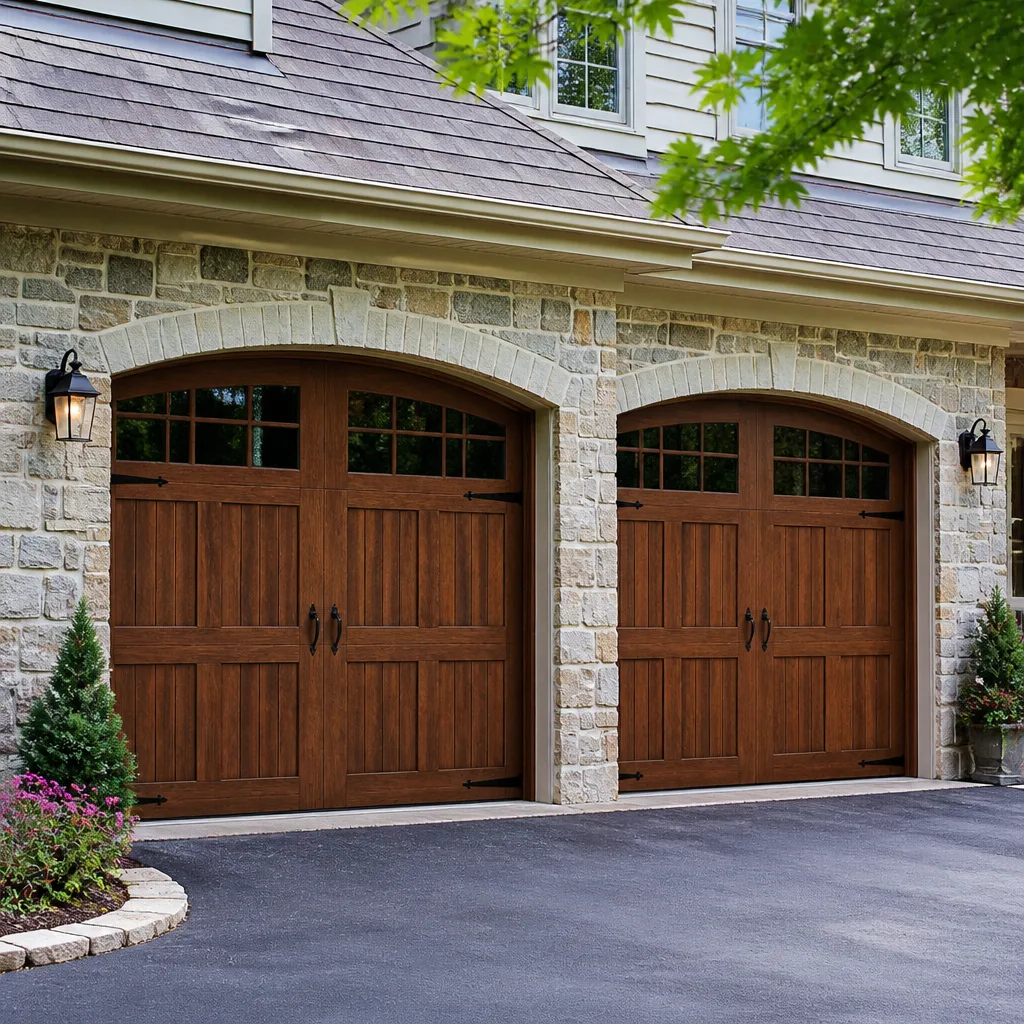 Carriage house
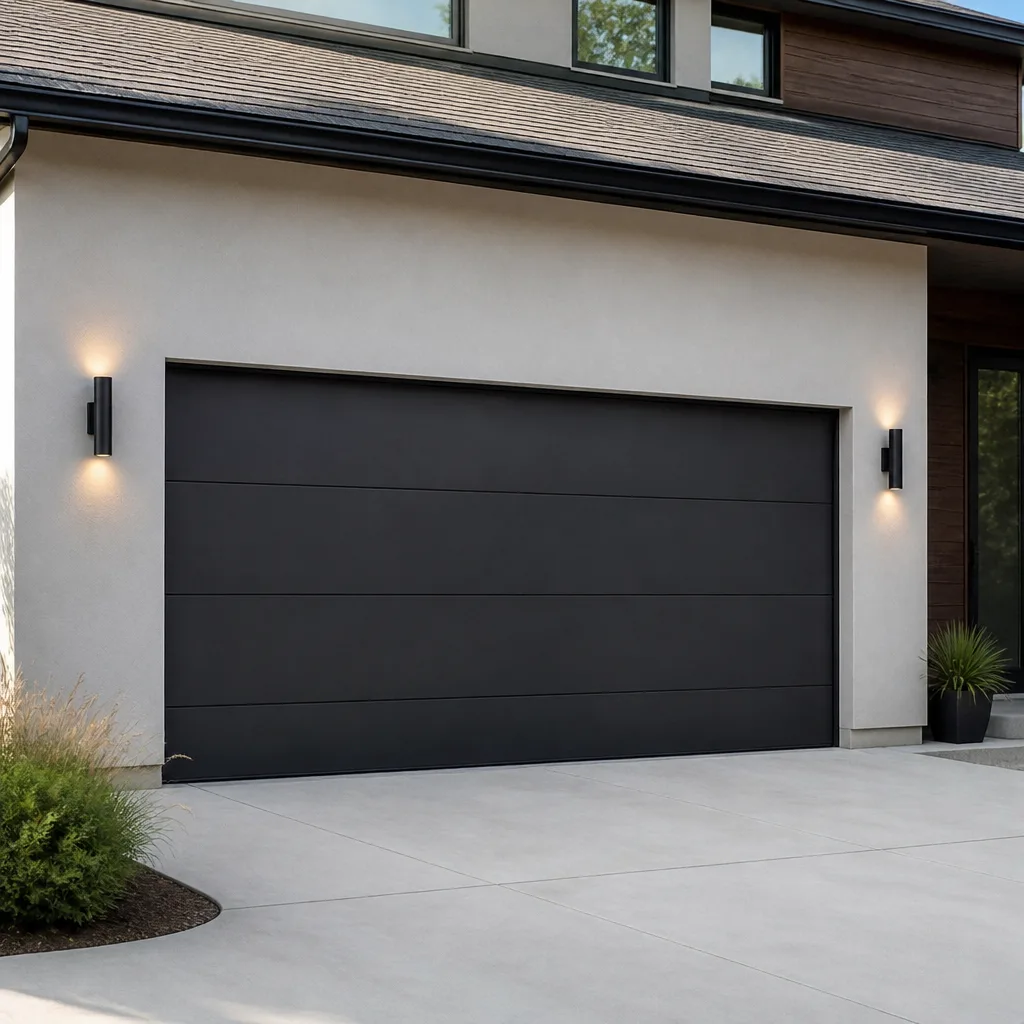 Modern flush
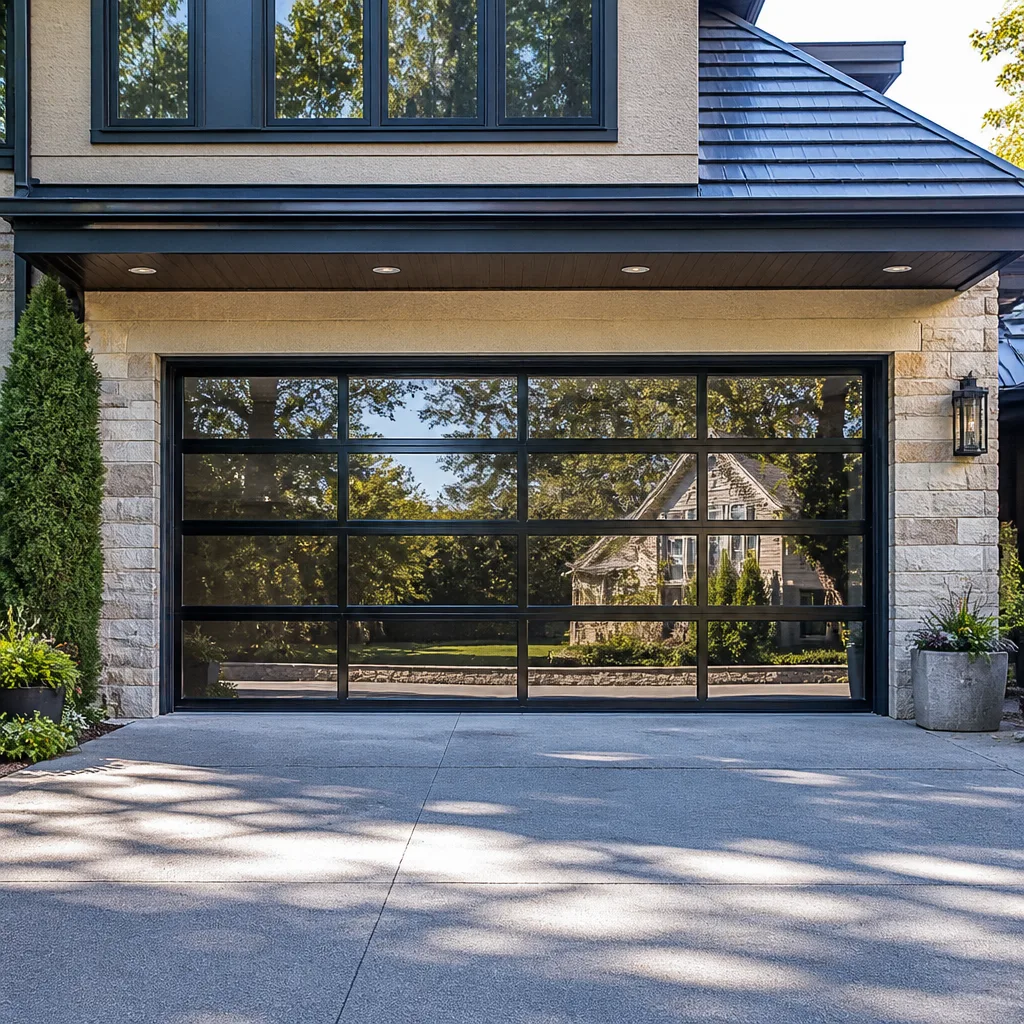 Full-view glass
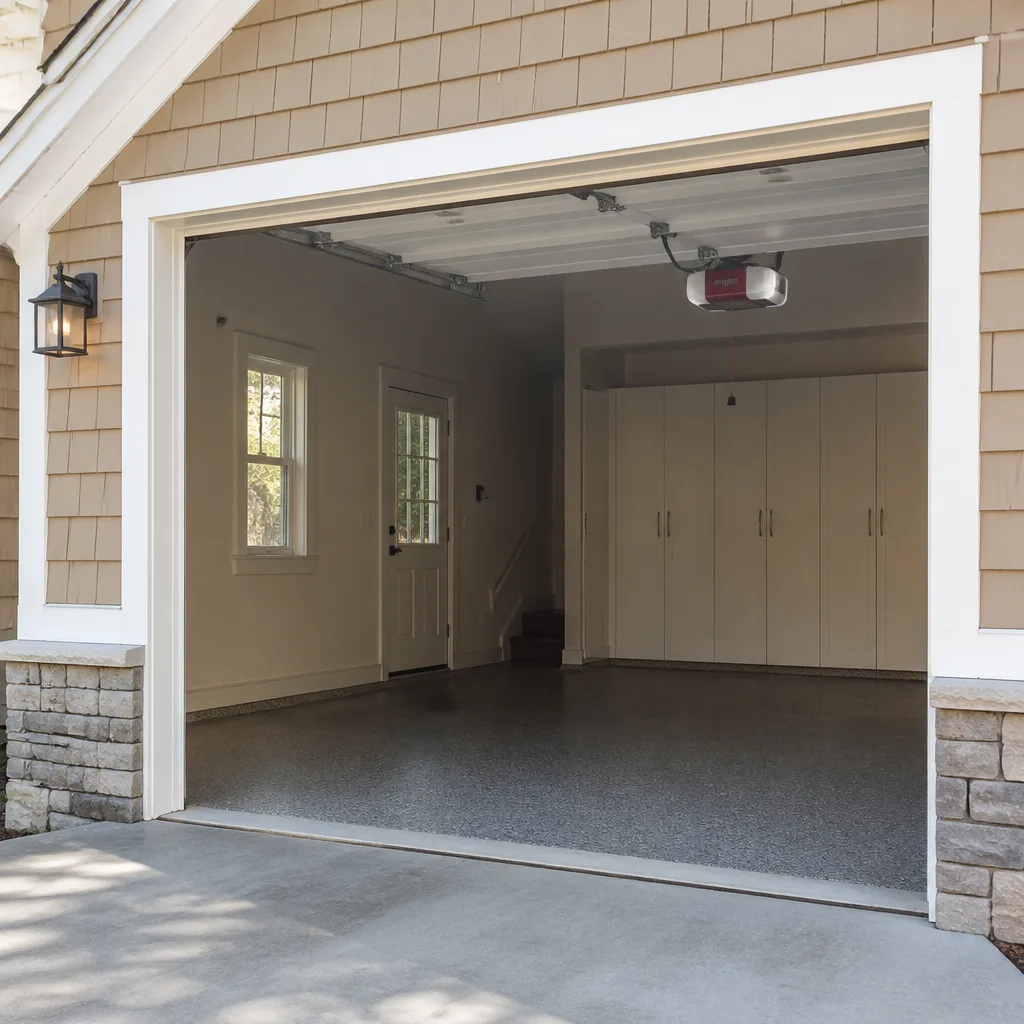 LiftMaster openers
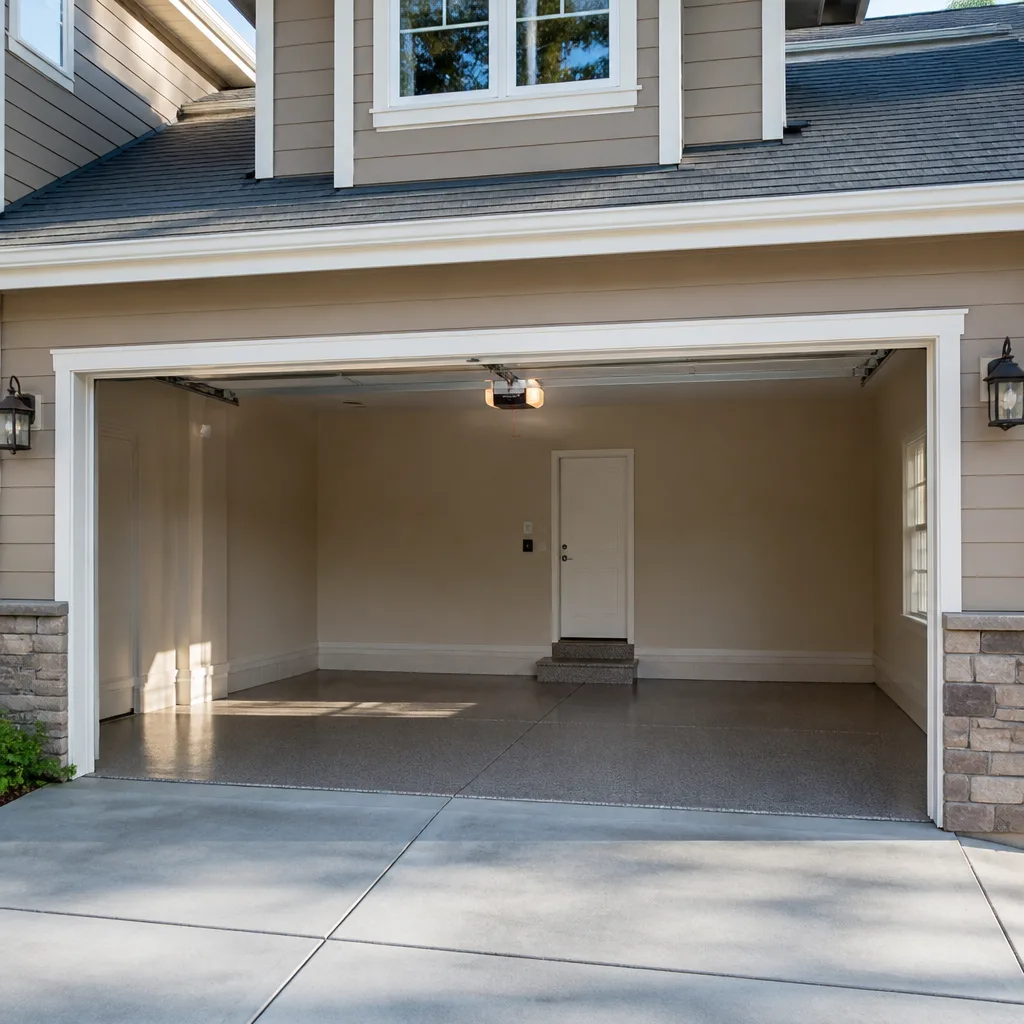 Chamberlain openers
Full 25-point door and opener safety check with every visit - springs, cables, rollers, tracks, and your LiftMaster or Chamberlain opener included
You get a price before we start. It does not change when the pro arrives.
Get your free estimateChoosing the Right Garage Door Brand: A Buyer’s Guide for Providence
Every major garage door brand will tell you they’re the best choice for New England. Here’s the more useful question: which ones have parts that are actually stocked by Providence suppliers, so when something breaks in February, you’re not waiting two weeks for a panel from a regional warehouse? Brand selection isn’t about marketing budget. It’s about matching real engineering to Providence’s freeze-thaw winters, to your garage’s physical constraints, and to what the local supply chain can actually deliver when a spring snaps or a panel buckles. In this guide, we’ll walk through the criteria that matter, compare how the major brands stack up, and show you how to read a spec sheet instead of a billboard.
Quick Answer
The best garage door brand for most Providence homeowners is one with three traits: steel heavy enough to survive freeze-thaw cycling, insulation rated for a cold-climate garage, and parts that local suppliers keep in inventory. Clopay and Amarr lead on insulated steel door construction, while LiftMaster and Chamberlain lead on openers built to start reliably in cold weather. The right choice for your house depends on your openings, your budget and how long you plan to stay, and we’ll lay out that decision framework below.
Styles & brands we work with
- Raised-panel steel
- Carriage house
- Modern flush
- Full-view glass
- LiftMaster openers
- Chamberlain openers
Table of Contents
- What actually matters when comparing garage door brands
- How Providence’s climate stresses a garage door
- Parts availability in the Providence market
- Steel gauge and insulation: reading the real numbers
- Opener brands and cold-start performance
- Premium vs. mid-tier: stay or sell
- A step-by-step way to evaluate any brand
- Common mistakes to avoid
What Actually Matters When Comparing Garage Door Brands
Most brand comparisons stop at color options and catalog photos. That’s a shopping decision, not a buying decision. For a door that has to work in Providence for twenty years, five criteria determine whether you’ll be happy: steel gauge, insulation R-value, hardware quality, parts availability and warranty service terms.
Steel gauge measures thickness, and lower numbers mean thicker steel. A 24-gauge door is the commodity standard; 25-gauge is thinner and cheaper; some premium lines run 20- or 22-gauge on the facing. Thicker steel resists denting and holds paint better through temperature swings. Insulation R-value tells you how well the door resists heat loss. An uninsulated door is basically a thin metal wall between your garage and the Providence cold. Hardware quality covers hinges, rollers, tracks and the torsion system. It’s the part most buyers ignore and the part that fails first.
Then there’s parts availability, which brings us to the criterion almost nobody mentions in a showroom. A brand with no local supply chain is a liability. When a bottom section gets dented or an opener logic board dies, you want a replacement that’s days away, not weeks. And warranty service terms tell you who actually handles a claim. Some warranties run through the manufacturer and require an authorized dealer; others are more flexible.
Here’s what to compare, in order of impact:
- Steel gauge – thicker facing resists dents and paint failure.
- Insulation R-value – matters more in a cold-climate garage than any aesthetic upgrade.
- Hardware and torsion system – the parts that actually fail.
- Local parts availability – the difference between a one-week repair and a one-month wait.
- Warranty terms – who services the claim, and whether the installer or the manufacturer handles it.
None of these criteria requires you to know the brand’s advertising history. They all require a spec sheet, a call to a supplier and a straight answer from whoever is installing the door.
How Providence’s Climate Stresses a Garage Door
Providence sits in a freeze-thaw climate. Winter temperatures dip well below freezing, warm spells push back above it, and the cycle repeats through the season. Every freeze-thaw cycle expands and contracts steel, and it does the same to the wood or composite jambs and the concrete around your opening. Over a decade, that cycling is what separates a door built to spec from a door built to a price.
What that means in practice:
- Paint adhesion. Thin steel flexes more with each temperature swing, and paint cracks where steel flexes. Once moisture gets under the paint, rust starts, and rust is what shortens a door’s life in Rhode Island.
- Gap tolerance. A door’s weather seal has to compress against a jamb that has shifted through hundreds of freeze-thaw cycles. Cheap seals harden and fail; decent ones hold their shape.
- Hardware fatigue. Hinges and rollers work harder when the door is stiff in cold weather. Lower-grade hardware develops flat spots on the rollers and elongated holes at the hinges.
- Opener load. Cold grease thickens. A door that a warm-weather opener lifts easily can strain a marginal motor on the first cold morning.
That’s the climate case for buying a door with thick steel, real insulation and quality hardware. An insulated door with a decent R-value also keeps your attached garage warmer, which matters if your garage shares a wall with living space. A Providence garage that stays above freezing cuts down on condensation, and condensation is the other rust driver besides paint failure.
None of this requires a premium brand. It requires knowing which brands build to cold-climate spec instead of building the cheapest door that clears code, and then checking the spec sheet to confirm it. If you want to go deeper on the repair side, our garage door repair page covers how these failures get diagnosed and fixed.
Parts Availability in the Providence Market
This is the part of brand shopping that almost no buyer considers and almost every buyer regrets ignoring. A garage door is a mechanical system with wear parts, and wear parts break. The question is whether the replacement is sitting in a Providence supplier’s inventory or on a truck from a regional warehouse that ships twice a week.
Parts break into three categories, and each has its own supply reality:
- Wear parts. Rollers, hinges, cables, springs and weather seals. These are semi-universal. A competent supply house carries them for Clopay, Amarr, Wayne Dalton and the other major lines, so this category rarely strands you.
- Panels and sections. These are brand- and model-specific. A bottom section for a Clopay door won’t fit an Amarr. This is where local availability matters most, because a dented panel is common and a factory order is slow.
- Opener electronics. Logic boards, remotes, wall consoles and safety sensors. LiftMaster, Chamberlain, Genie and Craftsman have the best parts support of any opener brands, simply because there are so many of them installed. A fifteen-year-old opener with a dead board is usually a quick fix; a niche import opener with a dead board often isn’t.
Providence has a real advantage here. The metro area has multiple garage door suppliers and a steady stream of installers working across the state, so the brands that dominate Rhode Island installs are the brands whose parts sit on shelves. Clopay, Amarr, Wayne Dalton, LiftMaster, Chamberlain and Genie all have that kind of local presence, which is why we’re equipped to service those lines and a few others.
Before you commit to any brand, ask the supplier one question: “If I dent a bottom section, how long until you can get me a replacement?” The answer tells you more about the brand than any brochure. This is the same logic that makes a repair-first approach work for most homeowners: fix what’s there, because the parts are usually available and the door is usually worth saving.
Steel Gauge and Insulation: Reading the Real Numbers
Two numbers on a spec sheet do most of the work in comparing brands. Steel gauge tells you durability; insulation R-value tells you thermal performance. Most marketing pages bury both. Here’s how to read them.
Steel gauge
Steel gauge is inverse: lower numbers mean thicker steel. The range you’ll see on residential doors runs roughly 24 to 27 gauge for the facing, with some premium lines using 20, 21 or 22 gauge. Thicker facing resists dents and holds paint better. The trade-off is weight, which requires a heavier torsion system and a stronger opener to lift it. A 24-gauge door on a properly matched torsion system will outlast a 27-gauge door every time in a freeze-thaw climate, assuming both are installed correctly.
Insulation R-value
Insulation R-value measures resistance to heat flow. An uninsulated steel door has an effective R-value near 1. Insulated doors range from roughly R-6 to R-18, depending on thickness and construction. In Providence, an attached garage sharing a wall with living space is the case where this matters most. The higher the R-value, the less heat you lose through that wall in winter and the less condensation you get on the door itself.
Here’s how the brands most common in Rhode Island homes compare on those two numbers, in general terms:
- Clopay. A deep product line that spans entry-level to premium insulated steel. Strong selection of cold-climate insulated doors at mid and upper tiers.
- Amarr. Also spans the price range, with solid insulated steel construction and a strong track record on multi-section residential doors.
- Wayne Dalton. Known for a wide model range and decent steel construction, with insulated options at the mid-tier.
- Chamberlain and Genie. These are opener brands, not door brands. When you see them paired with a door, the door is from one manufacturer and the drive system from another, and the brands need to be evaluated separately.
One more spec worth reading: the door’s wind-load rating. That’s the number describing how much pressure the door and its reinforcement can take. Inland New England rarely faces hurricane-level wind, but wind-load matters for door stability and is a fair proxy for how much reinforcement went into the model.
Opener Brands and Cold-Start Performance
The opener is the part your door system most likely to fail in January. Cold-weather starting is where opener brands actually differentiate, and it’s a spec you can evaluate if you know what to look for.
Three factors drive cold-start performance:
- Motor type. Belt-drive and chain-drive units behave differently in cold. Belt drives run quieter and are less affected by grease stiffness; chain drives are more forgiving of heavy doors but can chatter when cold.
- Battery backup. Federal standards require a battery backup on most new residential openers, which matters in a Providence power outage. LiftMaster and Chamberlain both build this into mainstream models; it’s a genuine plus in a New England winter.
- Electronics quality. The logic board and safety sensors are where older openers fail. LiftMaster, Chamberlain, Genie and Craftsman all have deep parts support locally, which means a failed board is usually a same-week fix.
That’s why we’re equipped to work on all four of those opener brands. In our experience, the most common cold-weather opener failures are electronics failures and safety-sensor misalignment, not motor failures. When a door doesn’t close on the first cold morning of the year, the cause is usually a sensor knocked out of alignment by frost heave at the jamb, or a logic board that gave up. Our garage door opener repair page covers how each of those gets diagnosed.
Smart and Wi-Fi-connected openers are a newer wrinkle. LiftMaster, Chamberlain and Genie all offer connected models, and the remote control apps are frequently the source of “my door opens but I can’t control it from my phone” calls. When the connectivity is failing, it’s usually the hub or the app, not the motor. If you’re choosing between a legacy opener and a smart one, the smart model makes sense if you want remote control and alerts. The legacy mechanical unit is just as reliable for opening and closing a door.
Premium vs. Mid-Tier: Stay or Sell
The honest trade-off between a premium brand and a mid-tier brand depends on one question: how long are you staying? The answer changes what the right purchase is, because the economics of a garage door are different for a long-term owner than for a seller.
If you’re staying five years or more
Buy the best door the opening can carry. Thick steel, real insulation, quality hardware and an opener with strong cold-start performance all pay you back in fewer repairs and lower heating costs over the life of the door. The brand matters less than the spec, but brands like Clopay and Amarr give you a wider selection of cold-climate insulated models to choose from.
Two things are worth spending on specifically: an insulated door that faces a shared wall, and a heavy enough torsion system to match the door’s weight. A premium door hung on a marginal torsion rig will still fail; a mid-tier door on a proper torsion rig will outlast it.
If you’re selling within a year or two
Buy a solid mid-tier insulated steel door and put the savings into a clean installation. A well-installed mid-tier door reads as a quality door to a buyer. The eye doesn’t distinguish 20-gauge from 24-gauge through the paint; it distinguishes a door that sits flush in the opening with a clean weather seal from one that doesn’t. Buyers in Providence also open and close the door during a walkthrough, which means the opener and the safety reverse must work smoothly. That’s an installation quality issue, not a brand issue.
Both paths are legitimate. What’s not legitimate is buying a premium brand for the showroom and cheaping out on the installation, or buying a cheap door and expecting the installer to fix it with labor. The right call depends on which one describes your situation. If you’re leaning toward replacement, our garage door installation page walks through how a replacement is measured and scheduled.
A Step-by-Step Way to Evaluate Any Brand
Here’s the process we’d use if we were buying a door for our own house in Providence. It takes about an hour of research and one phone call, and it replaces every brand brochure you could read.
- Measure the opening and check clearances. Measure the width and height, plus the headroom above the opening and the side clearance. These numbers rule out more models than any brand comparison, because a door model that doesn’t fit your opening isn’t a choice.
- Get the spec sheet, not the brochure. Look for steel gauge, insulation R-value and hardware details on the manufacturer’s site or from the supplier. If a brand won’t give you the spec sheet, that’s your answer.
- Call a Providence supplier and ask about parts. Ask how fast they can get a bottom section and a replacement roller set for the model you’re considering. A supplier will tell you honestly.
- Ask who services the warranty. Some warranties run through the manufacturer and require an authorized dealer to handle the claim. Others are more open. Know which before you buy.
- Match the opener to the door. Heavier insulated doors need more lifting force. Confirm the opener’s drive type and horsepower match the door you chose, and confirm the opener brand has strong local parts support.
- Get two written quotes. Compare them line by line: door model, opener model, torsion system, hardware and labor. Two quotes on the same door will reveal what the installation actually includes.
This process is what a brand-fluent installer does before writing a quote. It’s also why we go through it with every homeowner who calls us: there’s no need to sell you a brand when the specs and the supply chain will pick one for you. For a deeper look at the repair side of any of these brands, the team at Providence Garage Door Repair Pros covers diagnostics and repair for all of the lines we service.
Common Mistakes to Avoid
- Choosing a brand by showroom appearance. A door looks the same on the showroom floor whether it’s 22-gauge or 26-gauge steel. Check the spec sheet before you fall for the paint color.
- Ignoring insulation because the garage is “just a garage.” If the garage shares a wall with living space, which is common in Providence homes, an uninsulated door is a hole in your heating envelope. Insulation is a performance upgrade, not an accessory.
- Buying a brand with no local parts support. A brand with no Providence supplier network turns a simple dent into a month-long wait. Ask about parts before you commit, every time.
- Mismatching the opener to the door. A heavy insulated door hung on an undersized opener strains the motor on every cycle. Match the drive type and horsepower to the door weight.
- Replacing a repairable door. Dented panels, worn springs and failed openers are repairs, not replacements. A door’s frame and tracks outlast its wear parts, so fix what’s there unless the door itself is structurally compromised.
- Skipping the written quote and pricing on a handshake. Verbal estimates drift. Get the door model, opener model and labor in writing so the price is the price.
- Skipping the safety inspection on a new install. A new door has to sit properly in the opening and pass the safety-reverse test before anyone uses it. Don’t skip that check to save an hour.
See the difference
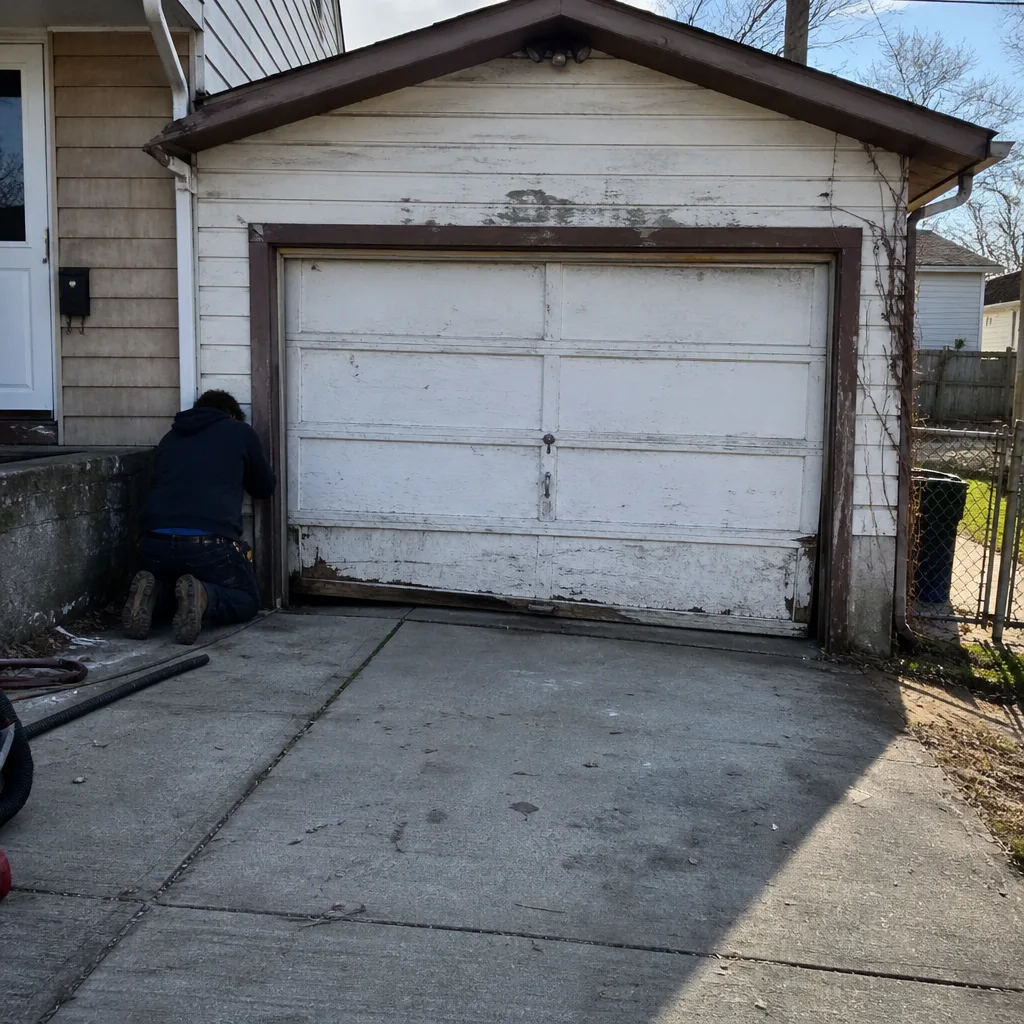 Before
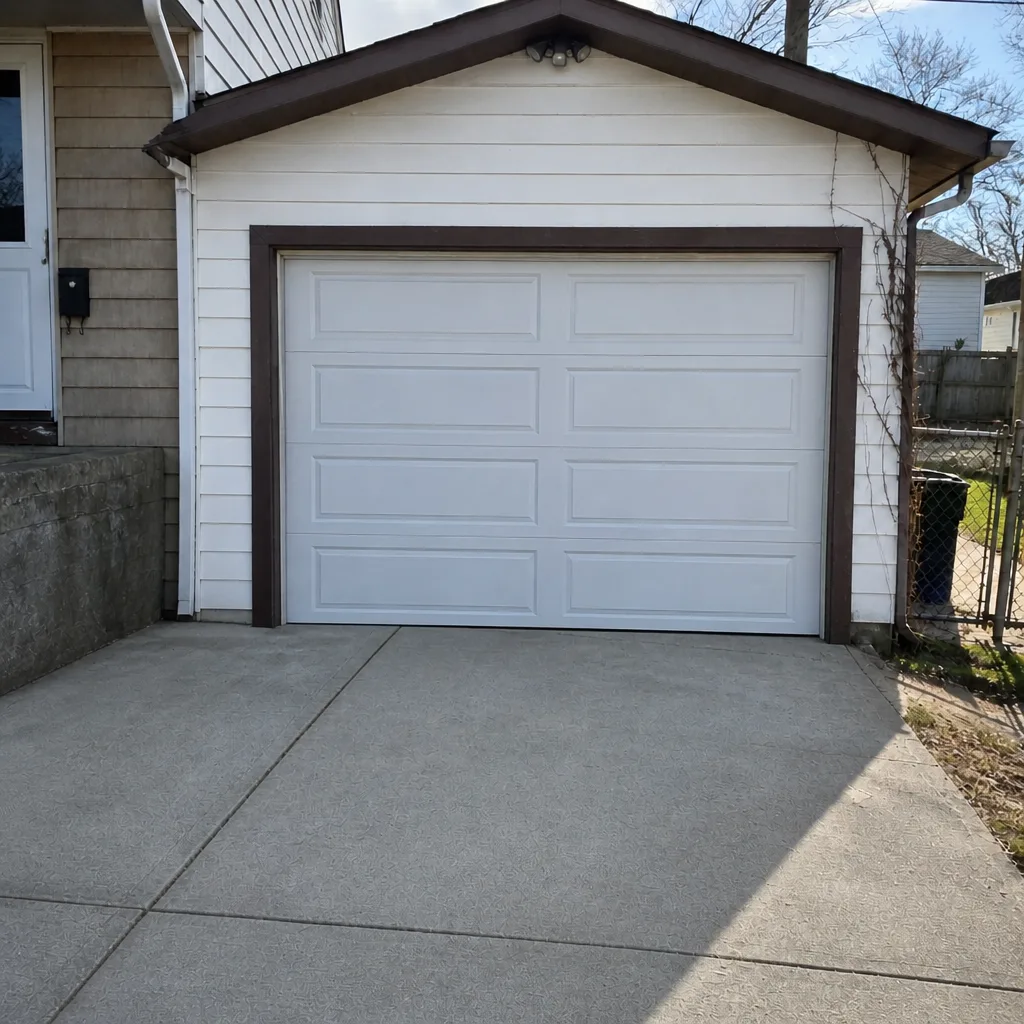 After
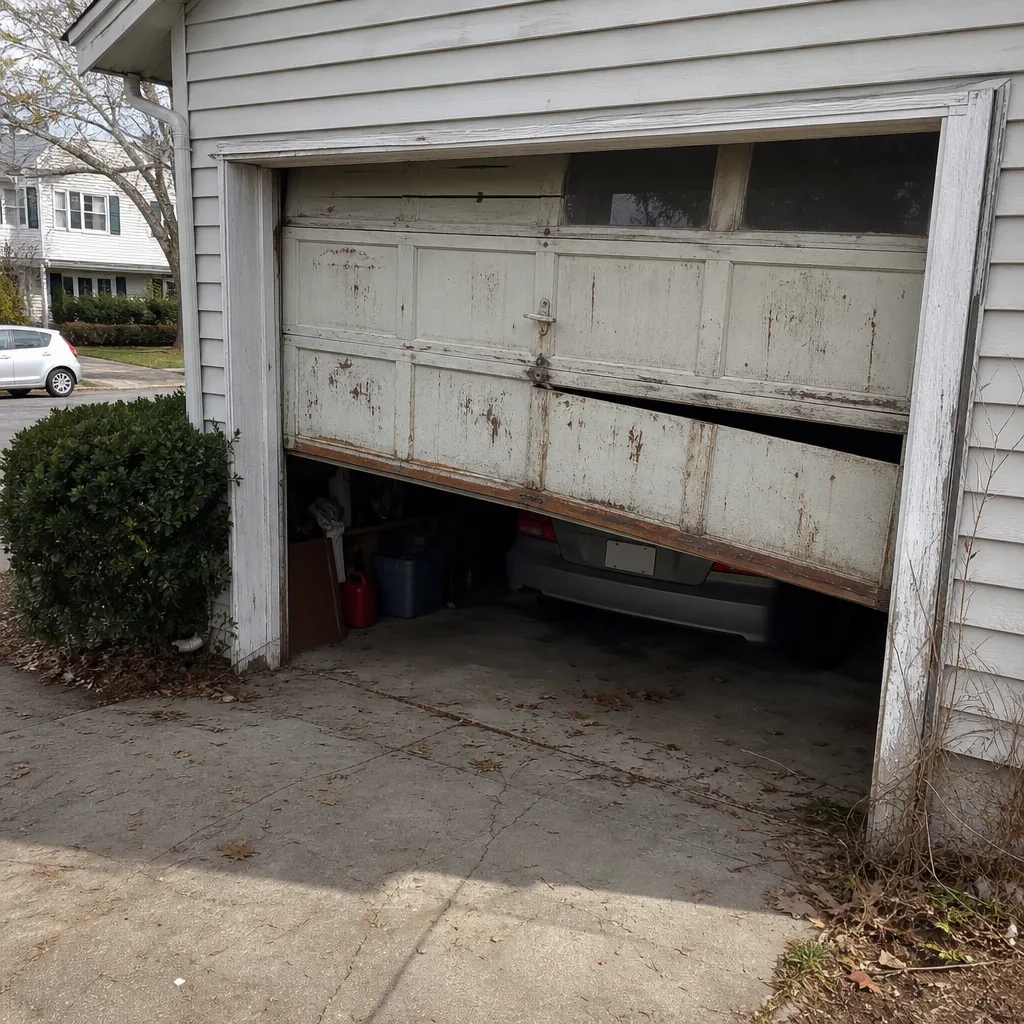 Before
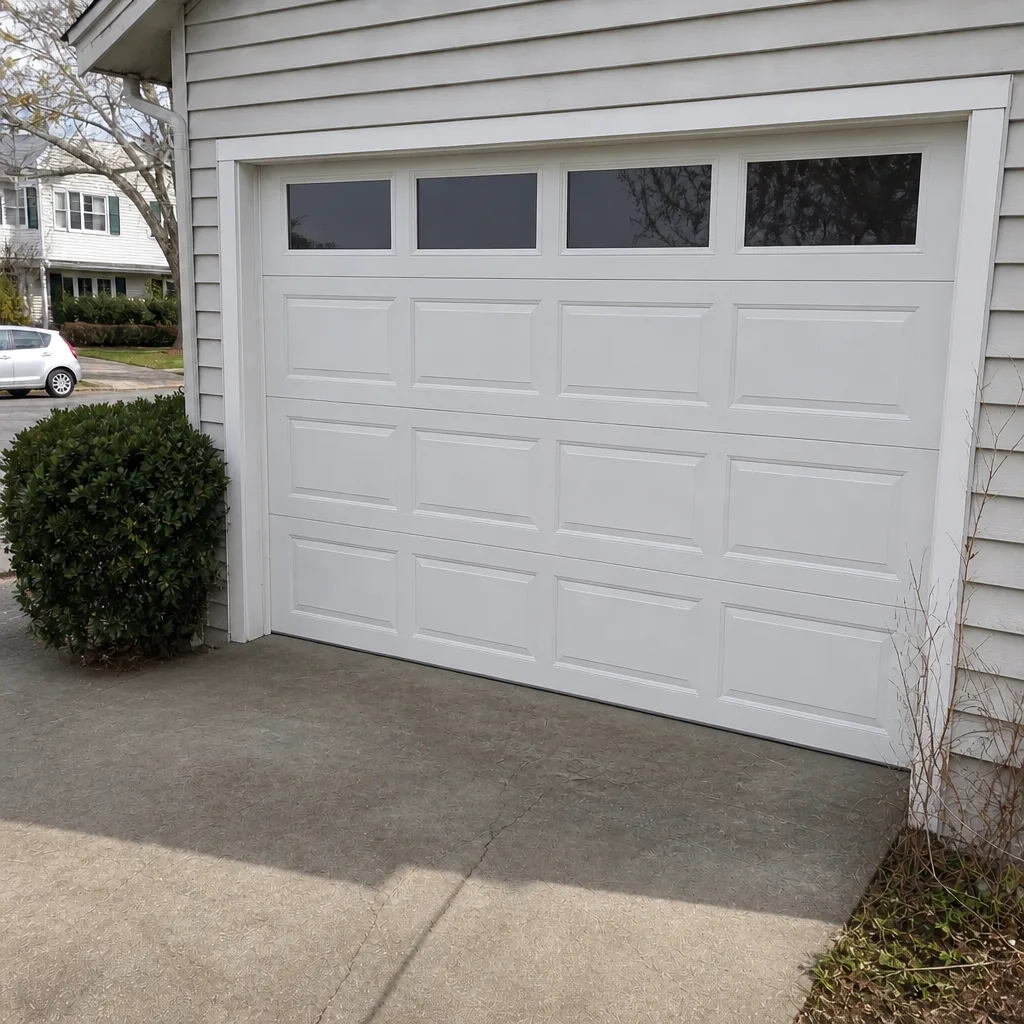 After
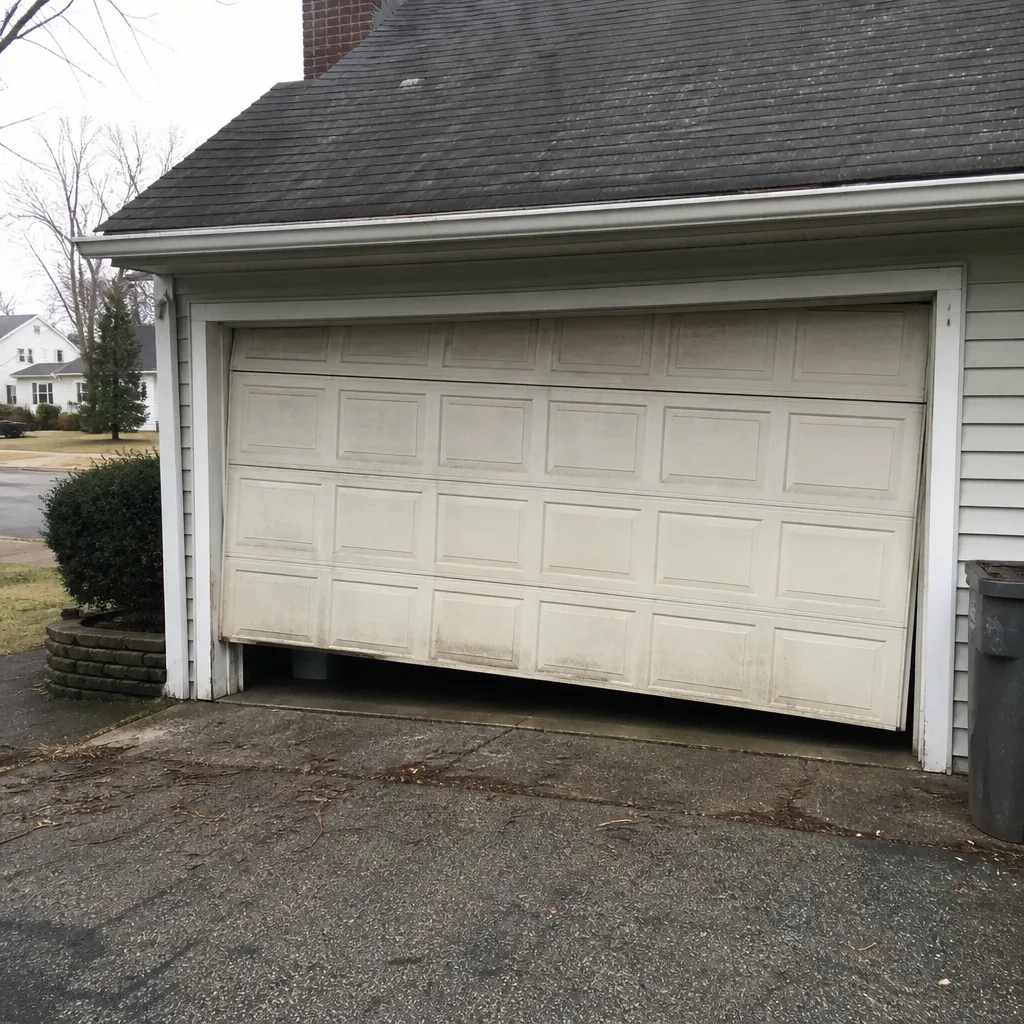 Before
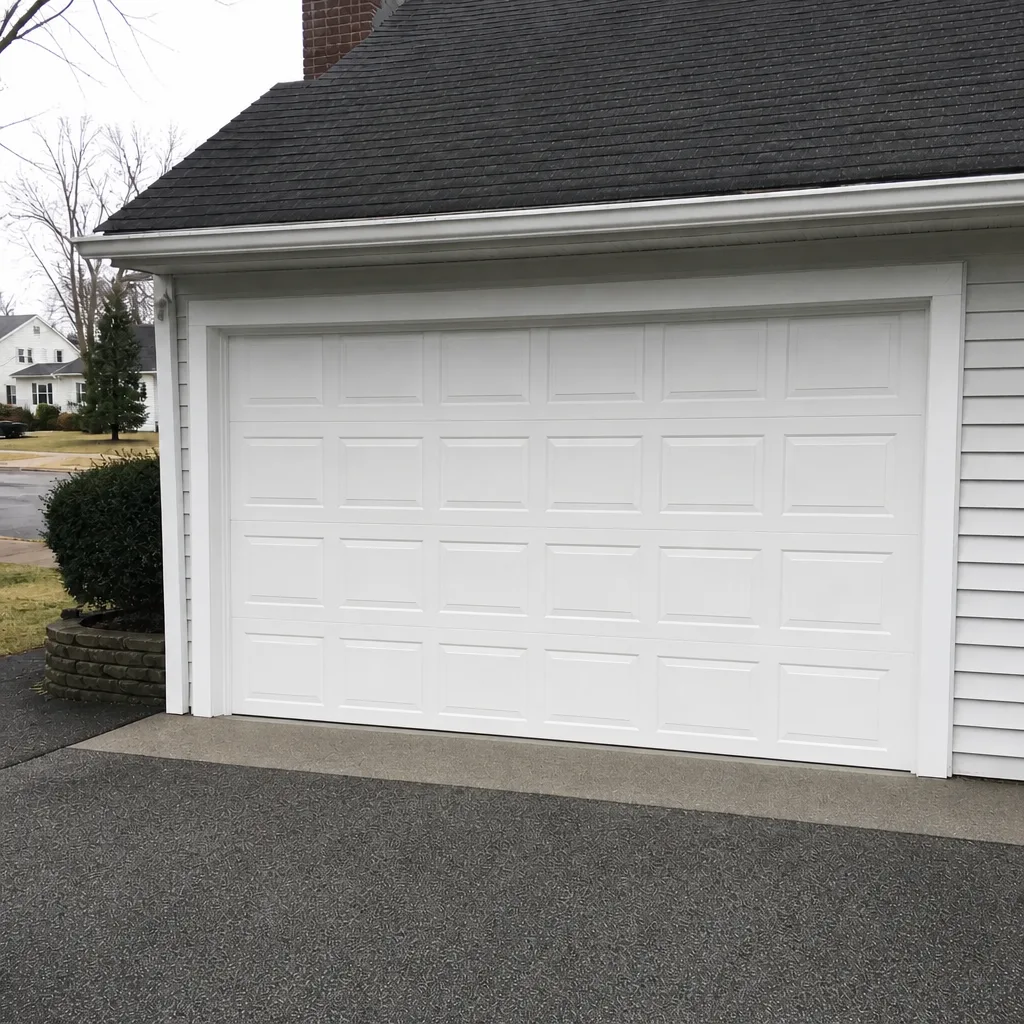 After
When to Call a Professional
Some garage door work is routine; some of it is genuinely dangerous. Call us when a torsion spring has snapped, when the door is stuck open or closed, when a cable has come off its drum, or when the door is off its track. Those are the situations where a trained technician with the right tools and tension-release technique matters. Springs under tension can cause serious injury, and a door that’s off its track can fall. Don’t chase a snapped spring or a slack cable yourself. Opener electronics are less dangerous but frequently worth a diagnostic call, because a failed board or a misaligned safety sensor can leave a door that won’t close, which is a security issue. If you’re comparing brands before a replacement, we’re happy to talk through what fits your opening. Providence Garage Door Repair Pros offers free estimates in Providence. Call (833) 981-3384 and we’ll talk through your options, and if you’re mid-failure and can’t wait, ask about same-day emergency response.
Frequently Asked Questions
For insulated steel doors in a freeze-thaw climate, Clopay and Amarr are the brands we’d point most Providence homeowners toward, because both build cold-climate insulated models and both have local parts support. For openers, LiftMaster and Chamberlain lead on cold-weather reliability and parts availability. The right choice still depends on your opening size, budget and how long you plan to stay. Call (833) 981-3384 for a free estimate tailored to your garage.
Most residential garage door replacements in Providence run roughly $700 to $2,500 for a single-car door and $1,200 to $4,000 for a two-car door, depending on steel gauge, insulation and model. Openers add another few hundred installed. These are typical estimates; the written quote sets the final price, and we agree on that quote before any work starts. Call (833) 981-3384 for an exact quote on your door and opening.
Clopay, Amarr, Wayne Dalton, LiftMaster, Chamberlain and Genie are the brands with the strongest parts presence in the Providence market, which is why we service those lines. Panels and sections are brand-specific, so local availability matters most for replacement sections. Wear parts like rollers and cables are semi-universal and easy to source either way. If you’re weighing a brand, ask a local supplier how fast they can get a replacement section. Call (833) 981-3384 for advice.
LiftMaster and Chamberlain have the strongest track record for cold-weather starting, mostly because their electronics and battery backup are built for it and their parts are widely supported. Genie and Craftsman also hold up well. Most cold-weather opener failures aren’t motor failures at all; they’re electronics or safety-sensor alignment, which is a straightforward diagnostic and often a same-day repair. Call (833) 981-3384 for a diagnostic.
Repair is usually the right call when the door itself is structurally sound. Dented sections, worn springs, failed openers and misaligned tracks are all repairable, and repair costs less than a replacement. Replacement makes sense when the door is structurally compromised, badly rusted, or you’re upgrading to an insulated door for a shared wall. Our technicians have up to 10 years of experience and will tell you honestly which one applies. Call (833) 981-3384 for a free estimate.
Yes, we offer same-day emergency response for doors stuck open, stuck closed, or off their tracks, because a non-closing door is a security issue. Spring failures and cable failures also qualify for emergency response. We have technicians who work across the major brands, so they’ll arrive knowing your system. Call (833) 981-3384 and let us know what’s happening with the door.
The Bottom Line
Choosing a garage door brand for a Providence home comes down to three traits: thick enough steel to survive freeze-thaw cycling, insulation rated for a cold-climate garage, and parts that a local supplier can actually deliver. Clopay and Amarr lead on cold-climate insulated doors; LiftMaster and Chamberlain lead on openers that start in January. The best choice for your house depends on your opening, your budget and how long you plan to stay. Read the spec sheet, call a supplier, get two written quotes, and buy on performance rather than marketing. And when something breaks, think repair-first before replacement. Whatever brand you have, we know it. Call (833) 981-3384 for a free estimate on a new door or a repair, and we’ll agree on the price before any work starts.
Written by the team at Providence Garage Door Repair Pros.